
BA (HONS)PHOTOGRAPHY
DURATION
3 Years (Full-Time)
UCAS COURSE CODE
W642
INSTITUTION CODE
C71
CAMPUS
Hartlepool
COURSE OVERVIEW
Explore the world through your perspective. Make brands, people and places come alive with your camera.
A photography degree isn’t just about taking pictures, it’s about learning to see differently; for those driven to be part of the vibrant creative industry as a photographic specialist. Whether you are interested in shooting fashion campaigns and working with commercial clients, or documenting real stories, editorial or fine art, we go beyond fundamental principles, providing you with advanced technical and conceptual skills to produce professional level work in collaboration with the Association of Photographers (AOP).
With access to cutting-edge facilities, you’ll work in professional studios, explore exciting locations, mastering industry-standard equipment. You will access analogue darkroom techniques, advanced digital workflows, post-production, short film and video methods, building a unique vision and style. The programme also offers opportunities to exhibit your work, produce publications, engage in commercial and live projects and international travel.
Photography has the power to shape perspectives and inspire change, and this programme provides the tools and opportunities to make your mark in a dynamic and evolving industry.
Awards
New Graduate; The Auxiliary Award: 2024
BarTur Photo Award 2022
Ilford Photo Student Awards 2022
Photo North Festival Student Competition
Taylor Wessing Portrait Prize (shortlist)
Portrait of Britain Landscape Photographer of the Year (shortlist)
Association of Photographers (AOP) Student Awards 2018, 2019 & 2021 (shortlist)
Sony World Photography 2016 (finalist shortlist)
Association of Photography (AOP) Course of the Year 2017*
*The current degree is a successor to the 2016/2017 award-winning programme.
CREATIVE PARTNERS




COURSE INFORMATION
COURSE DETAILS
The programme is designed to help you develop a harmonious balance between your creative vision and the technical precision required to produce work across diverse photographic formats and outputs. Alongside hands-on practice, you’ll dive into the ideas behind powerful imagery, understand how photographs shape culture and tell stories. Throughout the course, you will have access to industry-leading Canon, Sony, Hasselblad, and Phase One camera systems, along with a comprehensive range of professional-grade photographic and video equipment.
This photography degree is housed in state-of-the-art facilities and led by a teaching staff actively engaged in the industry, ensuring you receive an exceptional, hands-on learning experience. The curriculum emphasises both technical mastery and creative expression, empowering you with the skills necessary to succeed as a versatile practitioner. Whether capturing the world through your unique perspective, creating captivating photographic art, or executing client briefs on time and within budget, you’ll be equipped to produce striking, high-quality images that resonate with audiences.
Our graduates have gone on build successful careers in various fields, including editorial, documentary, fashion, commercial advertising, photojournalism, sports photography, social portraiture, music, photo retouching, picture editing, publishing, curation, film and TV, and education. All students are provided with professional training in Capture One, Adobe Lightroom, and the Adobe Creative Suite, ensuring that you are adept in industry-standard software and prepared to thrive in any professional setting.
CREATIVE PARTNERS
Our school engages with a wide range of partners working across each creative sub-sector to ensure that teaching and learning are in line with the latest developments in and requirements of industry, including:
Industry Partners
Alex Schneidman, Flow Photographic
Frede Spencer, Twenty Twenty
Association of Photography in Higher Education (APHE)
Lucinda Grange, (Adventure Photographer) New York, Zurich and York
Guest Speakers
Alison Baskerville: Photojournalist
Julia Fullerton-Batten: Fine Art Photographer
Liz Smith: Photography Consultant
Martin Parr: Magnum Photos
Mimi Mollica: Photo Meet London
Peter Dench: Photo North
Pippa Oldfield: Curator and Writer
Simon Roberts: Photographer & Honorary Fellow Royal Photographic Society
Tessa Bunney: Documentary Photographer
Tim Wallace: Advertising Photographer
Yan Preston: Photographer
INDUSTRY PROJECTS
We exhibit in places such as:
• As above &
• Baltic X Fenwick Exhibition
• Free Range, London
• Hartlepool Art Gallery
• Middlesbrough Art Week
• Pineapple Black
Students have the opportunity to work with a range of companies on live briefs throughout the programme, including:
• Notting Hill Editions, Publishing Books Project
• AOP Student Awards
• The Photography Show NEC Birmingham 2024 Emerging Artists Award
• Taylor Wessing Photography Portrait Awards
ALUMNI
Our alumni work or have worked for companies such as:
• Boo George - Editorial Fashion Photographer: Emporio Armani, Ralph Lauren, Hermes, Levi’s, Louis Vuitton, Vogue and Calvin Klein
• Peter Caton - Documentary Photographer: UNICEF, Save the Children, Greenpeace, The Sunday Times Magazine, The Guardian, Marie Claire, Esquire, the Washington Post and Le Figaro
• Lucinda Grange - Travel/Adventure Photographer: New York Post, Paris Match, The Times, Guardian, United National Photographers Ltd
• Hollie Galloway - Photographer, Filmmaker, Art Director: End Clothing, Cannes, Sheffield Documentary Film Festival, National Glass Centre, London
Graduates are working or undertaking postgraduate training in a wide range of careers including:
• Editorial
• Documentary
• Fashion
• Advertising
• Photojournalism
• Sport
• Social Portraiture
• Photo Retouching
• Picture Editing
• Publishing
• Curating
• Education
PORTFIOLIO ADVICE
Your portfolio review is a chance for us to get to know you, your creative interests and the potential you could bring to the course. We are not looking for a perfect or professional portfolio. Bring a selection of work you feel represents you - finished pieces, work in progress, sketchbooks, experiments, photographs, digital work or written ideas are all useful. Choose work you can talk about, including what you enjoyed, what challenged you and what you would like to develop next. You do not need to include every example below.
Potential things to include:
A small, considered selection of photographs you have made, contact sheets, notebooks, research, experiments, moving image, writing and work in progress. Around 15 to 20 images is a helpful maximum if you are showing digital work, but selection matters more than quantity. We are interested in your eye, ideas, willingness to experiment and how you make choices - not whether you own specialist equipment.
CONTACT TIME
This creative-industry-focused programme typically provides 16 hours of contact time per week across the academic year. Students can typically expect to receive 10 hours of taught sessions and 6 hours of supervised open studio time, supported by specialist technicians, and have open access to studios and workshops (subject to School opening times and availability). In the final year, students typically engage in a higher proportion of supervised, independent study, reflecting the increased focus on self‑directed practice and specialist project work at this level.
In addition, students are expected to undertake independent study appropriate to a full-time undergraduate degree programme.
WHAT YOU'LL STUDY
YEAR ONE
Foundation and Orientation
In year one you will learn about workflow for both digital and darkroom applications. Expect energetic critiques, inspiring briefs and projects that stretch your creativity. This is supported by a programme of technical workshops, academic lectures seminars.
• Core photographic skills & commercial studio lighting
• Advanced digital software, editing and post-production
• Exploration of genres; fashion, documentary, editorial and fine art
• Shooting film and darkroom practice
• Location shooting & live briefs
• Professional workflows
YEAR TWO
Development and Exploration
In year two you will work with short film and moving image and advanced production processes. You will begin to specialise and develop your photographic direction, turning your passion into skillset. This is supported by critical investigation of how to read photographs and understand the importance of images and the various uses and applications in the world today.
• Advanced techniques and processes
• Live-briefs, commercial opportunities and exhibitions
• Short film, video editing and moving image
• Story telling through visual imagery
• Critical thinking and contemporary photography
• Independent working and your own photographic practice
YEAR THREE
Consolidation and Expertise
In your final year you will develop an industry ready portfolio of work as you consider your personal independent practice and prepare for employment and/or further study, challenging you to push boundaries and discover your unique creative voice.
• Project research and development
• Your dissertation or report
• Self-employability, self-promotion and networking
• Develop your own brief and specialism
• An exhibition of your work and production of your portfolio
YEAR FOUR (OPTIONAL)
Optional Master of Arts.
Develop your creativity even further with a postgraduate study year – https://northernart.ac.uk/masters-degrees/
VIDEO SHOWCASE
IMAGE GALLERY
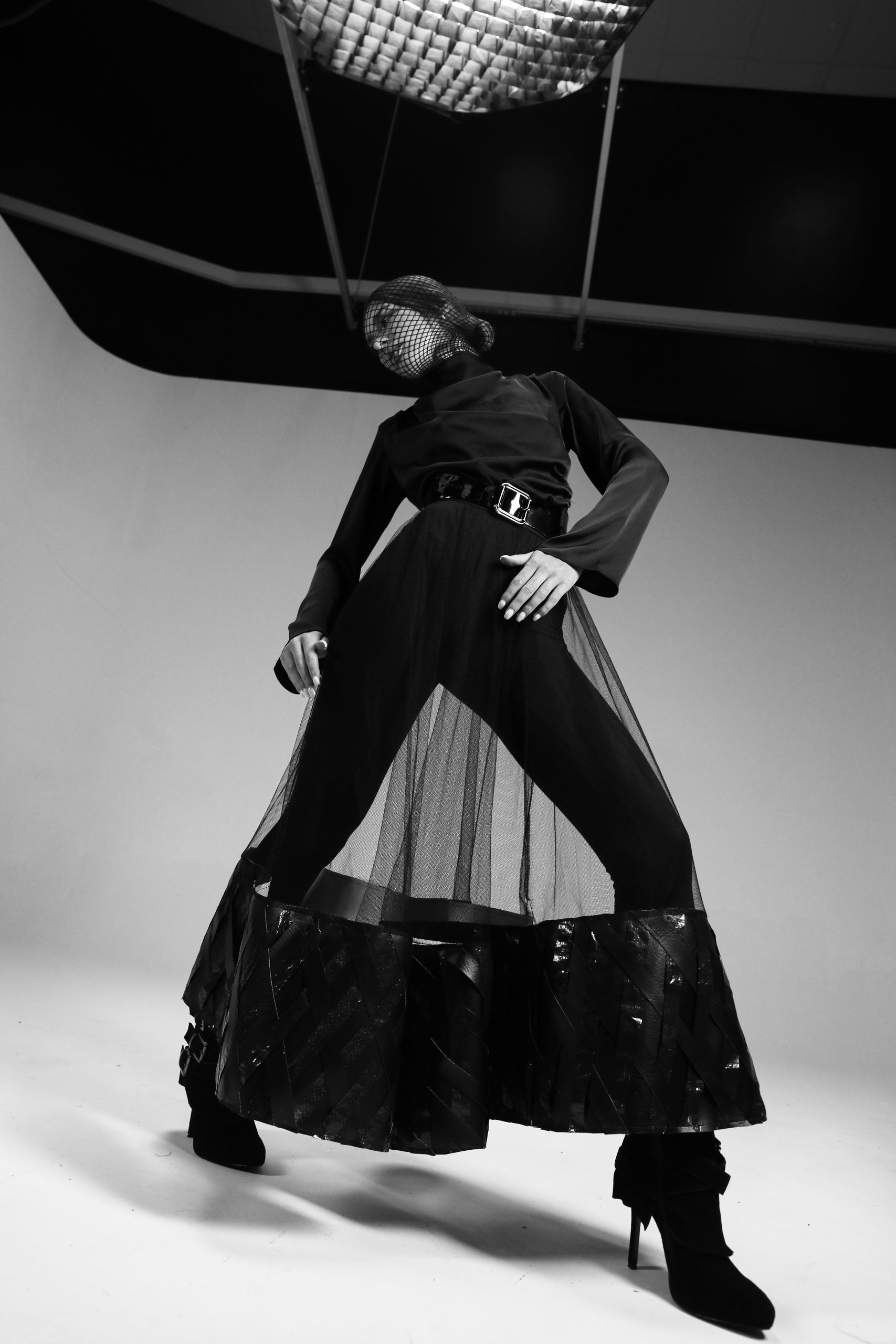
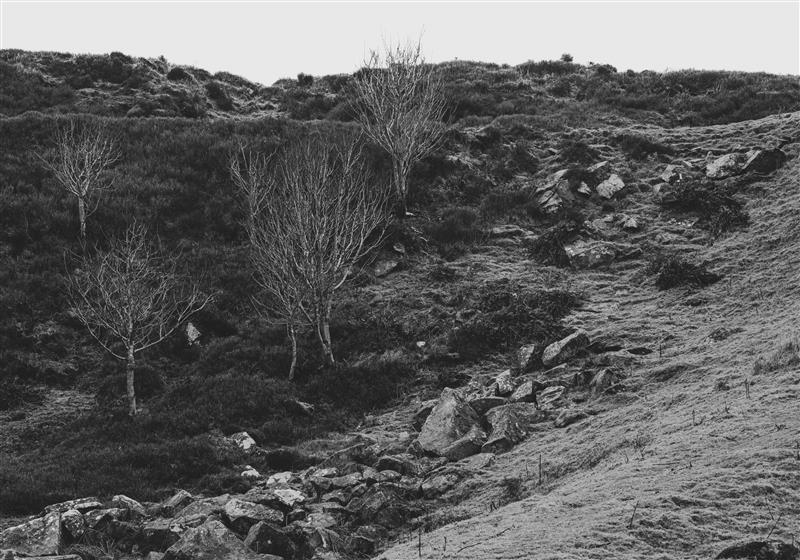
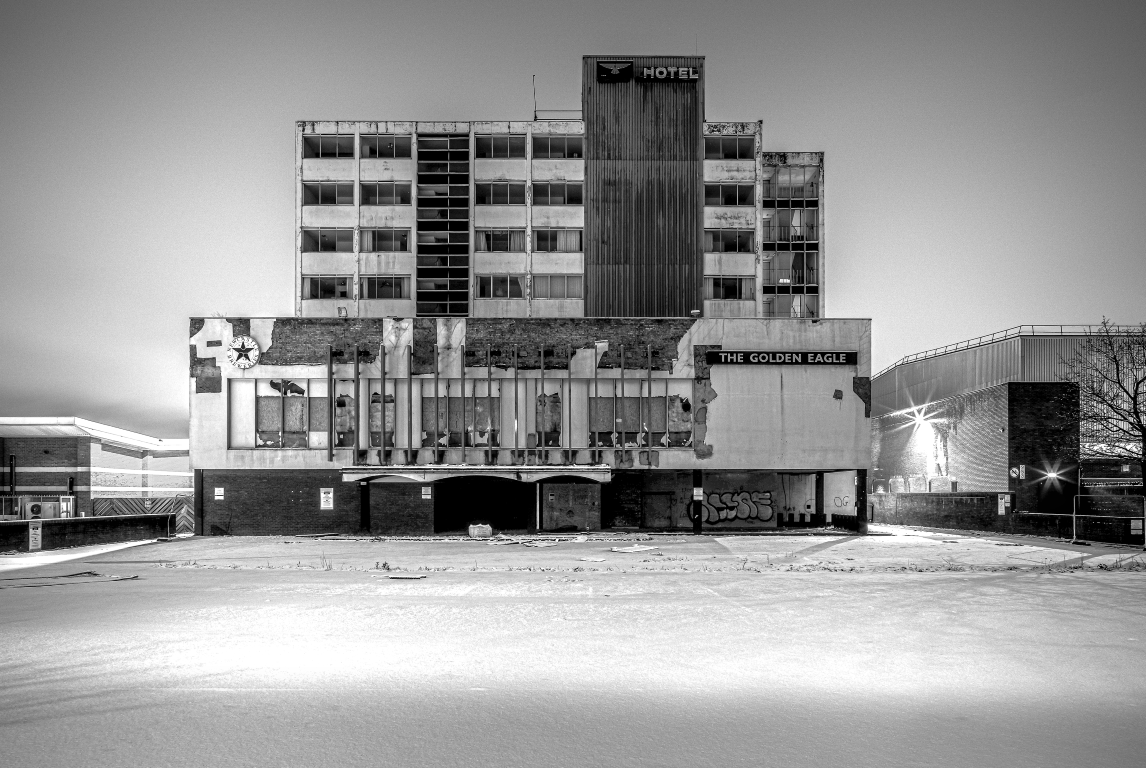
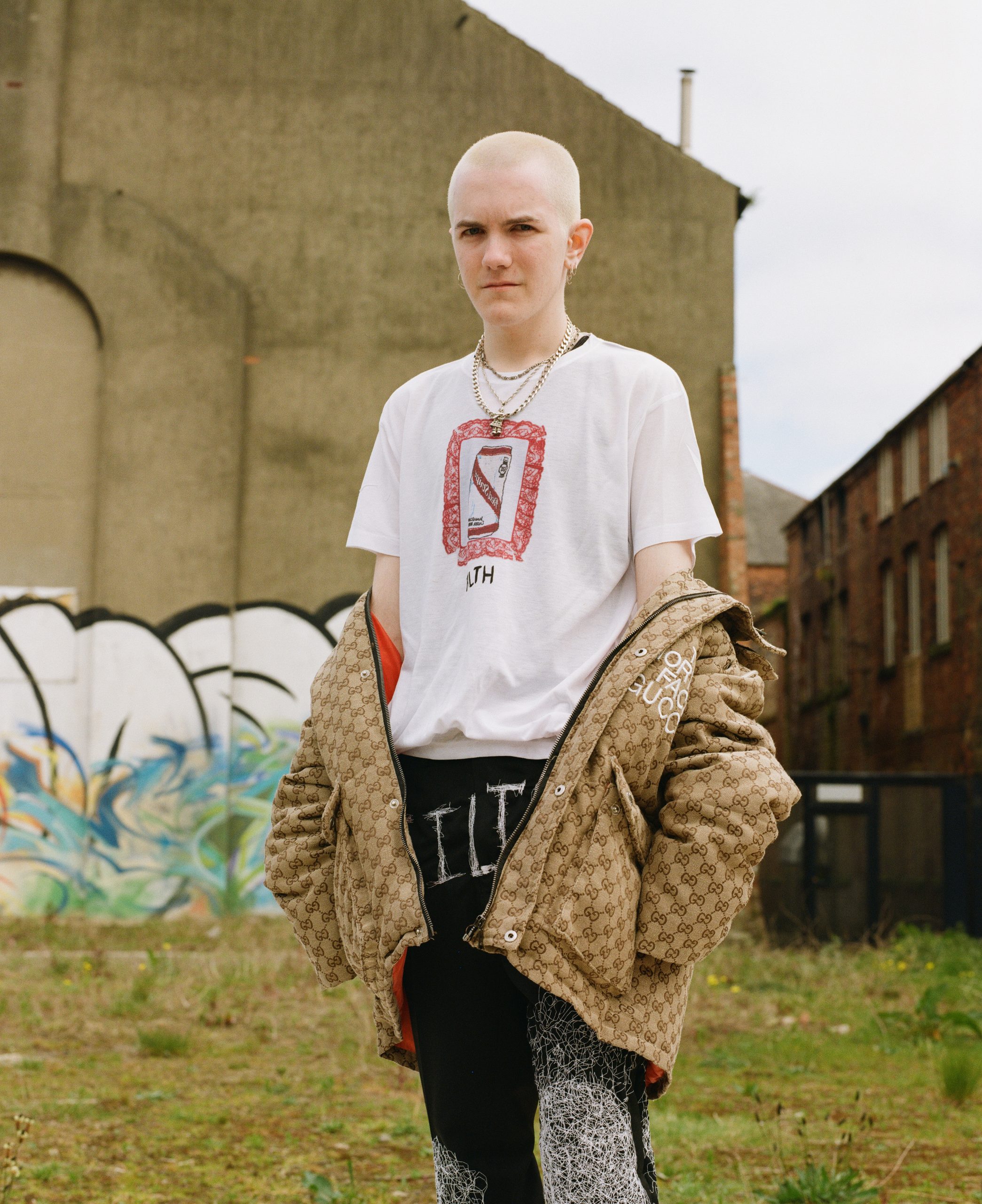
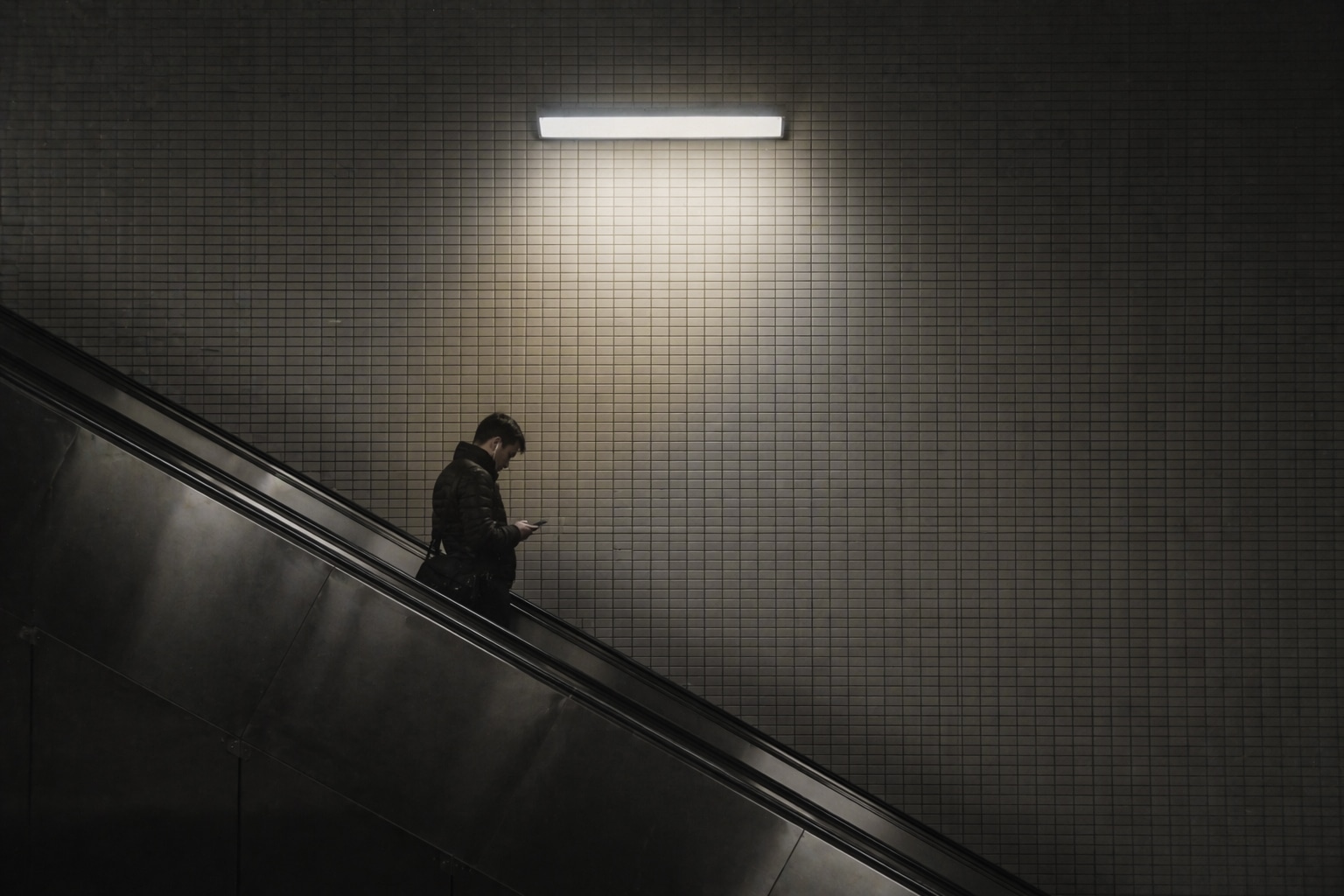

FACILITIES
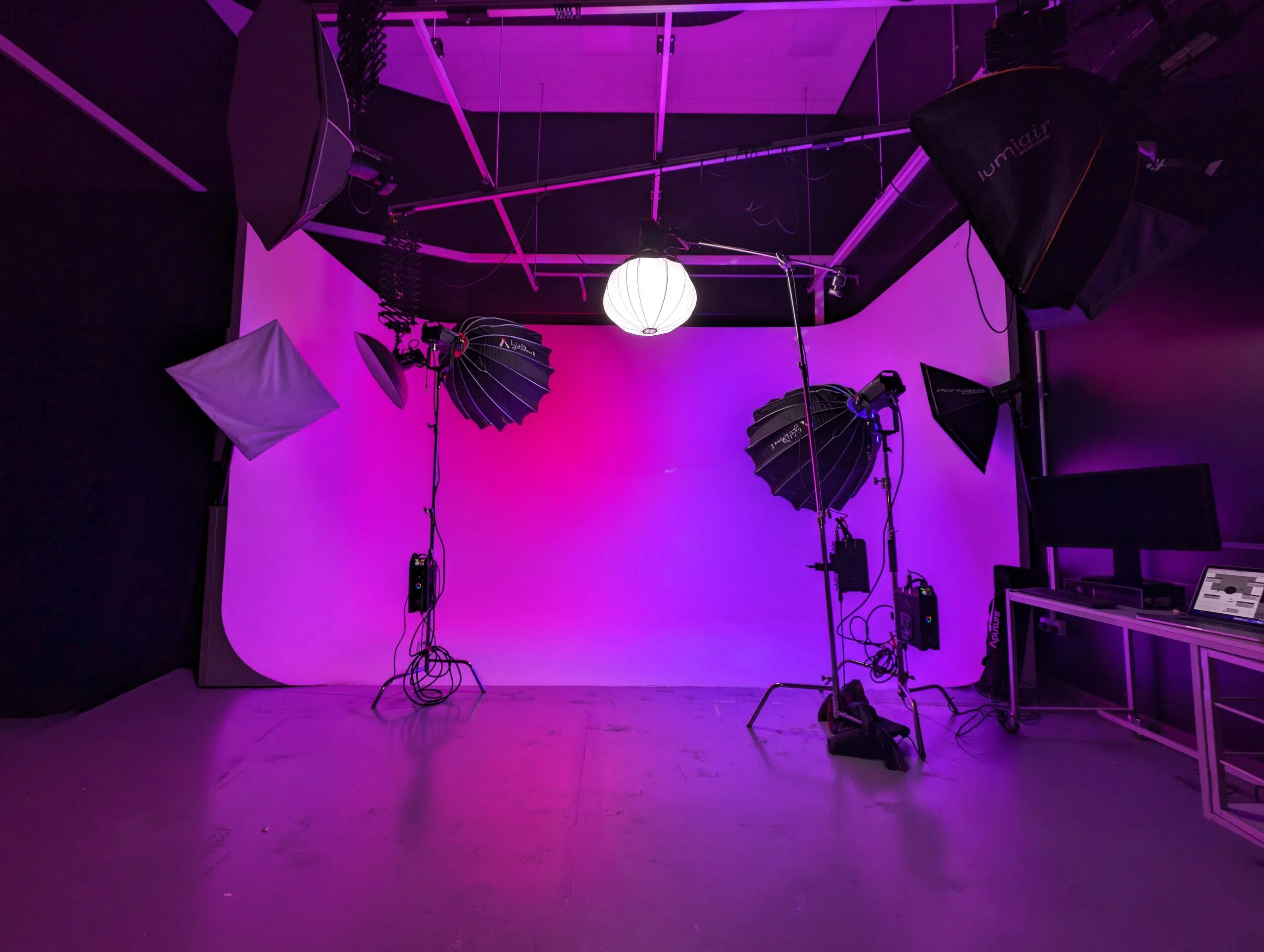
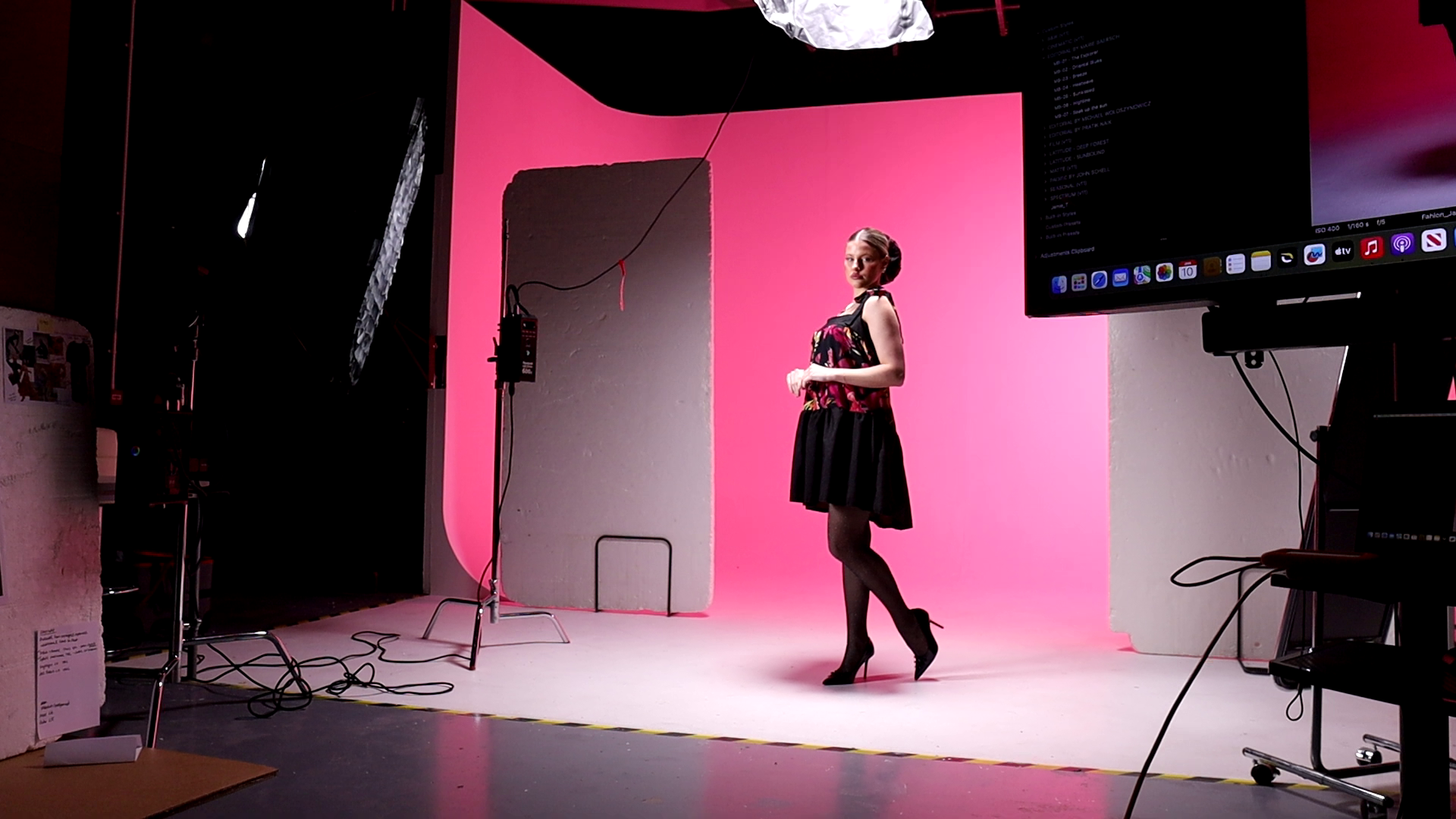
You will work within a purpose-built environment with industry-standard equipment, software, techniques and facilities. A varied and intensive introduction allows you the opportunity to become technically competent and creatively aware with a broad range of relevant skills. As you progress, you’ll be encouraged to develop your work; your understanding and acquisition of transferable skills and develop your portfolio in your chosen specialist direction. Regular visits locally, nationally and internationally supplement your studies. Previous study visits include London, Amsterdam, Paris and Berlin.
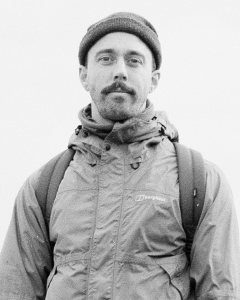
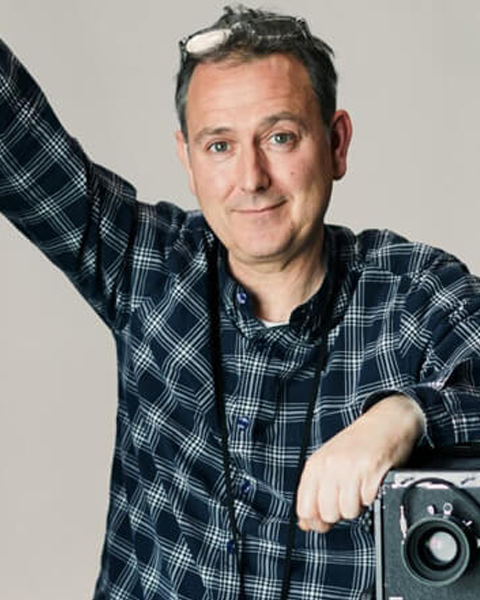
MEET THE TEAM
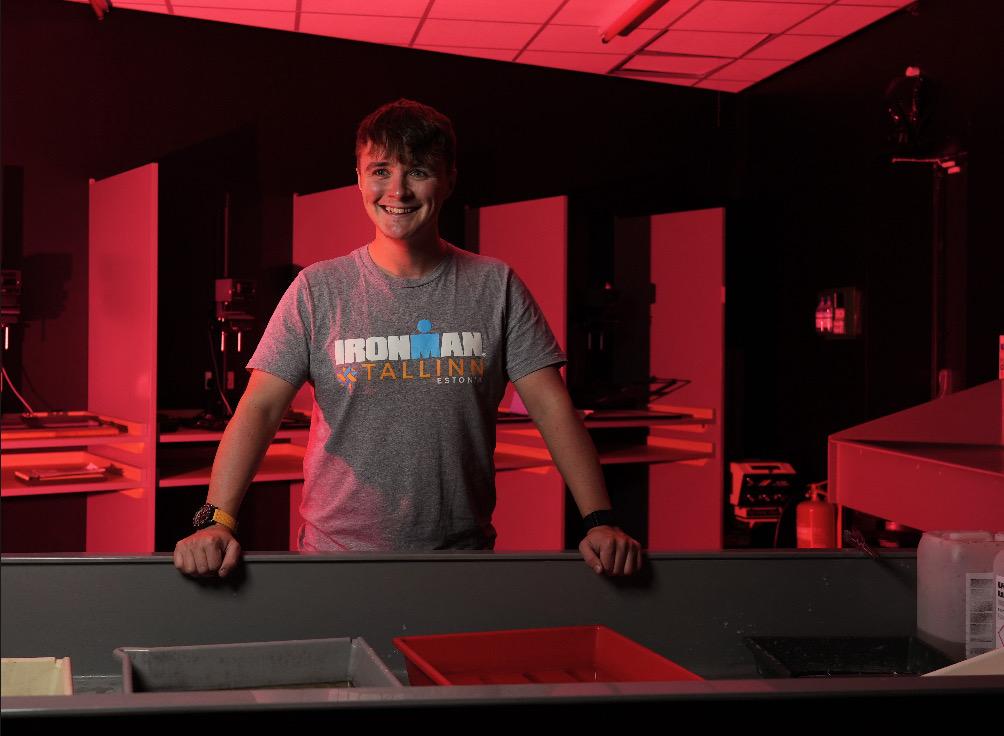
OUR ALUMNI
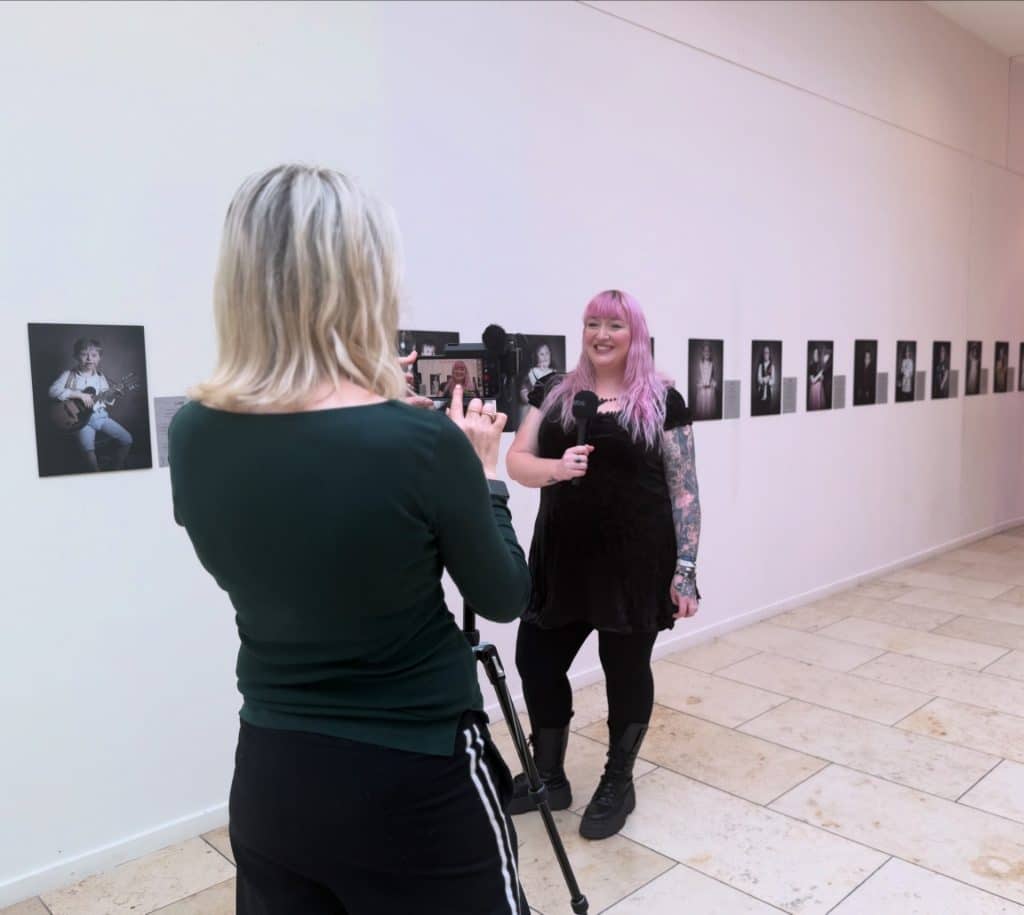
Debbie Todd – Freelance Portrait Photographer
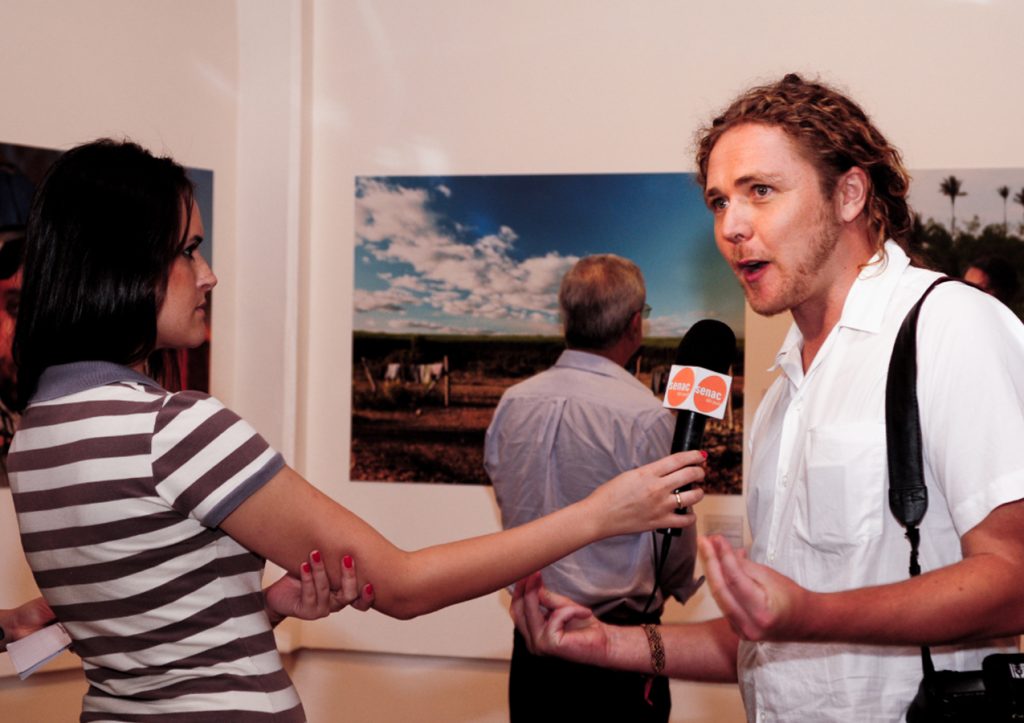
Peter Caton – Professional Documentary Photographer
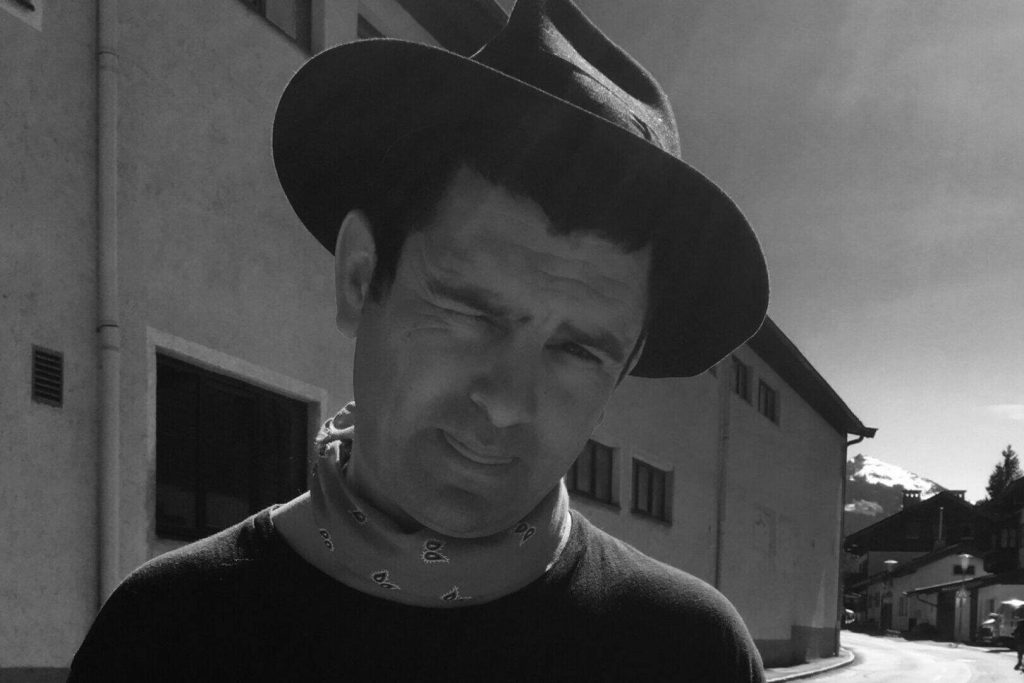
Boo George – Photographer
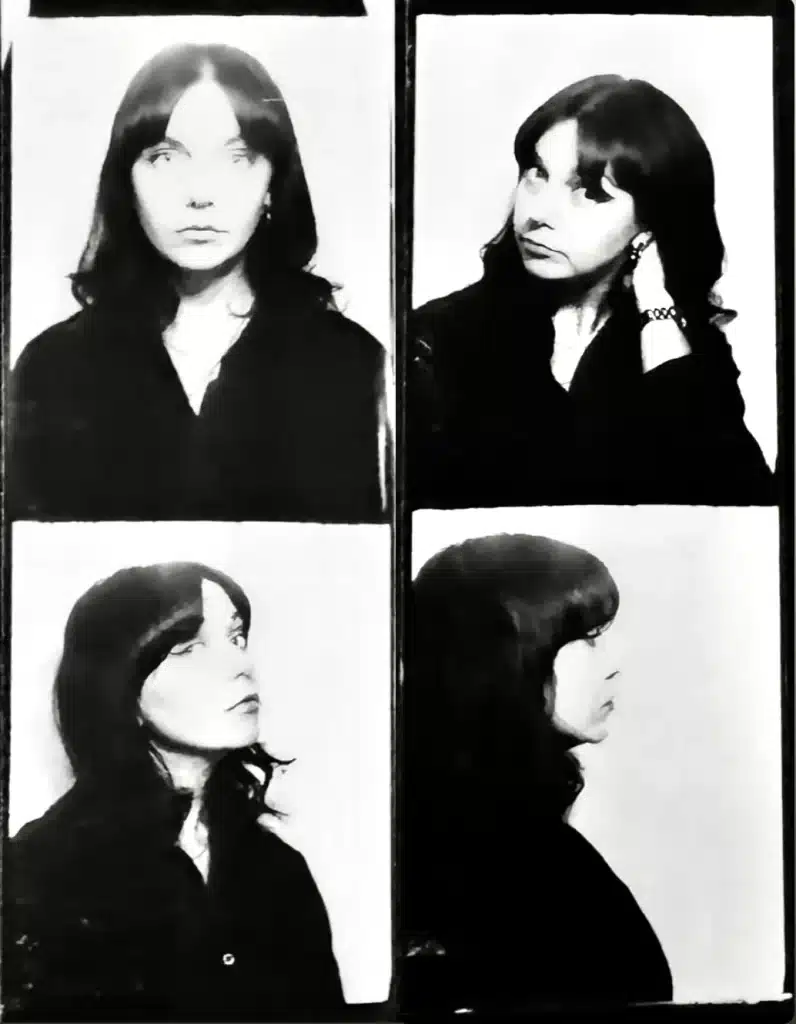
Hollie Galloway – Creative Director
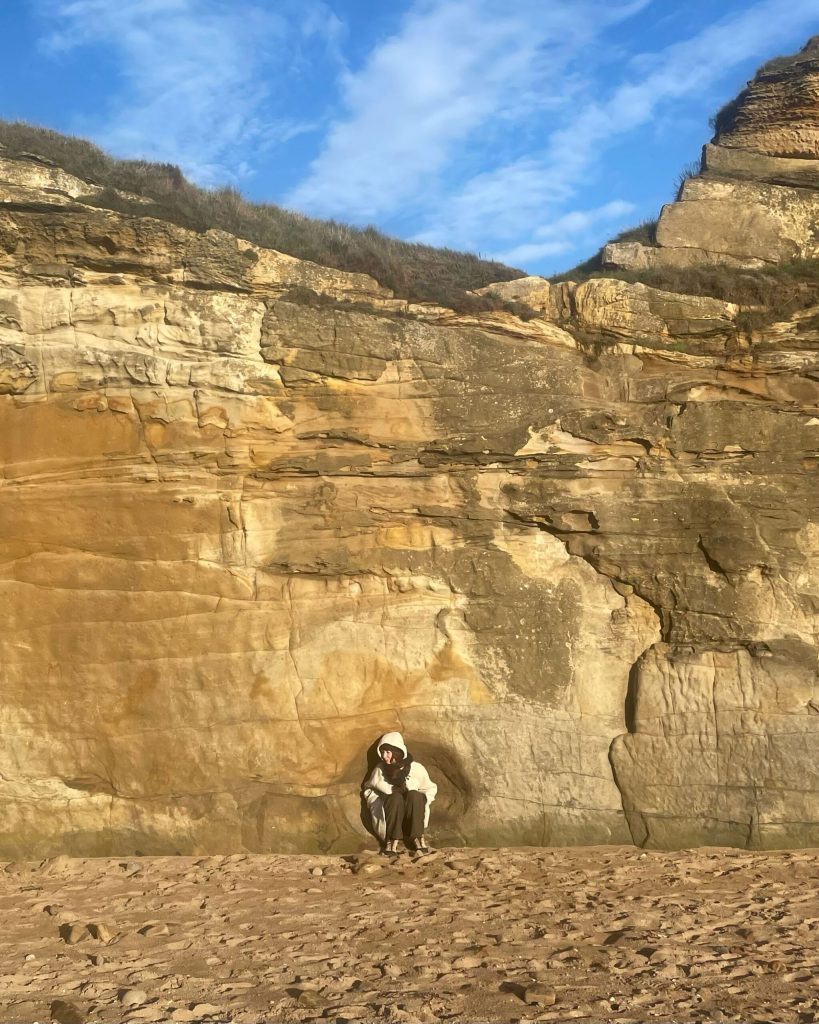
Rachel Deakin – Photographer
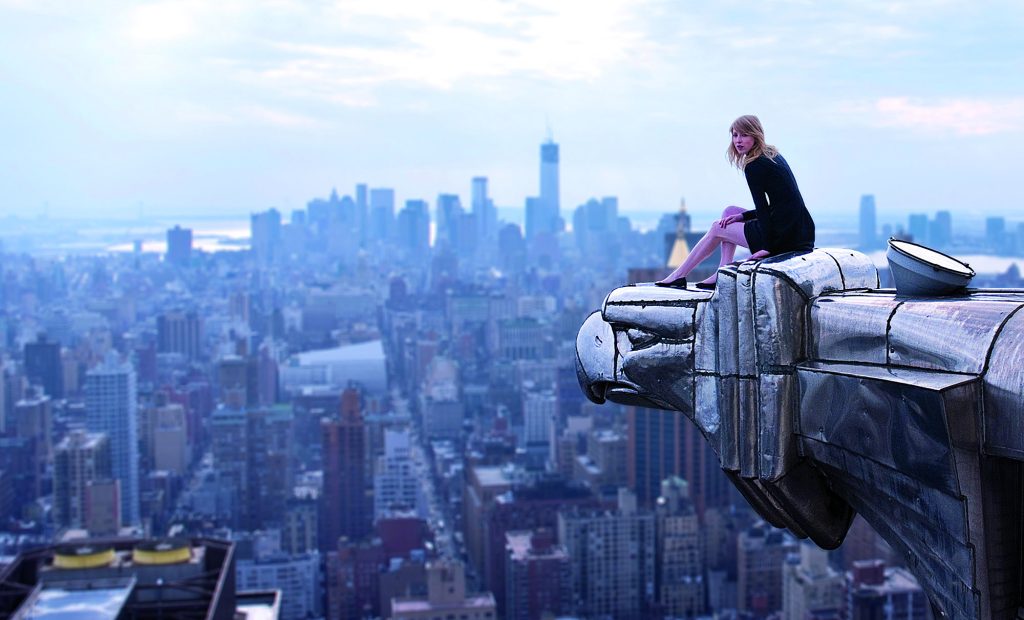
Lucinda Grange – Landscape & Documentary Photographer
COURSE NEWS
July 17, 2026
Starting in September? Here’s what our students want you to know!
Starting university is an exciting new chapter, but it's also completely normal to feel a little nervous. The good news […]
May 29, 2026
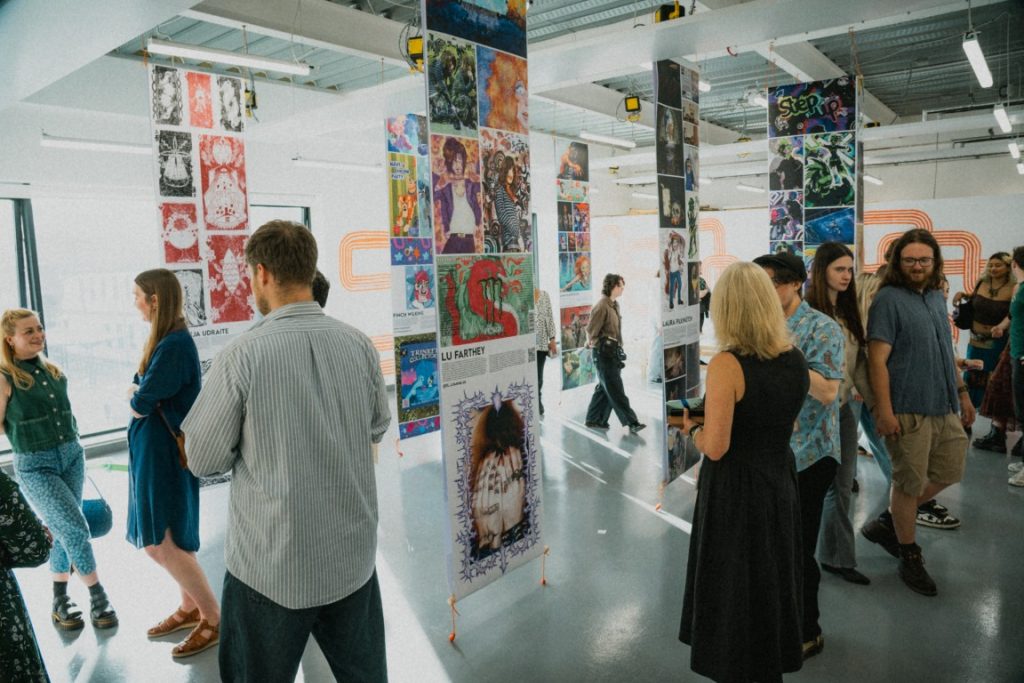
Packed opening night as the Degree Show 2026 launches
Crowds gathered at No.1 Church Street in Hartlepool for the launch of this year's Degree Show. Students, families, friends, staff […]

April 23, 2026
Talented creatives from School’s Hartlepool campus bring fresh perspective to the North York Moors with new digital art and wellbeing trail
A new digital art and wellbeing trail in the North York Moors is placing young creative talent at the heart […]
March 2, 2026
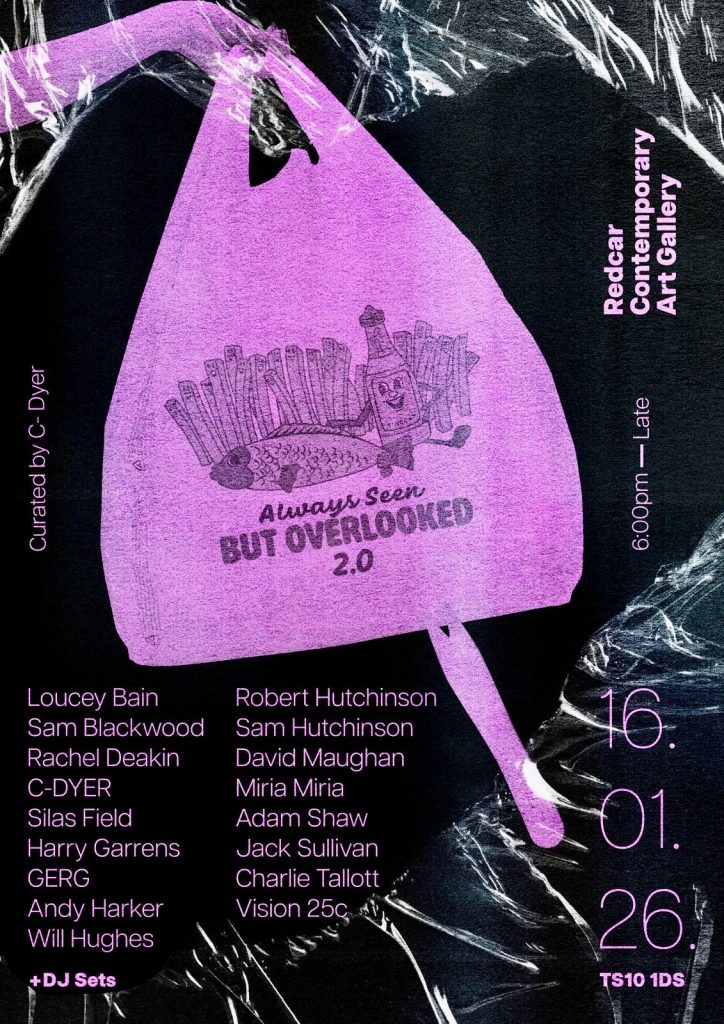
Spotlight on alumni Rachel Deakin & group exhibition Always Seen But Overlooked at Redcar Contemporary Gallery
Alumni Rachel Deakin who completed a diploma in graphics (2013) and BA (Hons) Photography in (2016) is featured in Always […]
August 13, 2025
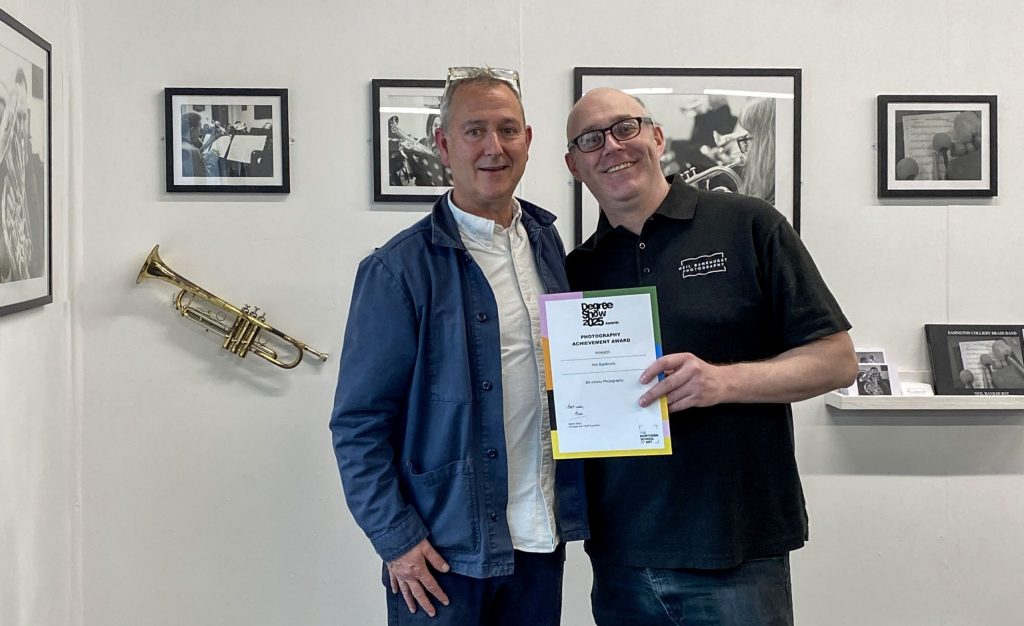
Neil Bankhurst wins BA (Hons) Photography Achievement Award 2025!
BA (Hons) Photography student Neil Bankhurst has received this years Photography Achievement Award 2025. The award is in recognition of […]
August 7, 2025
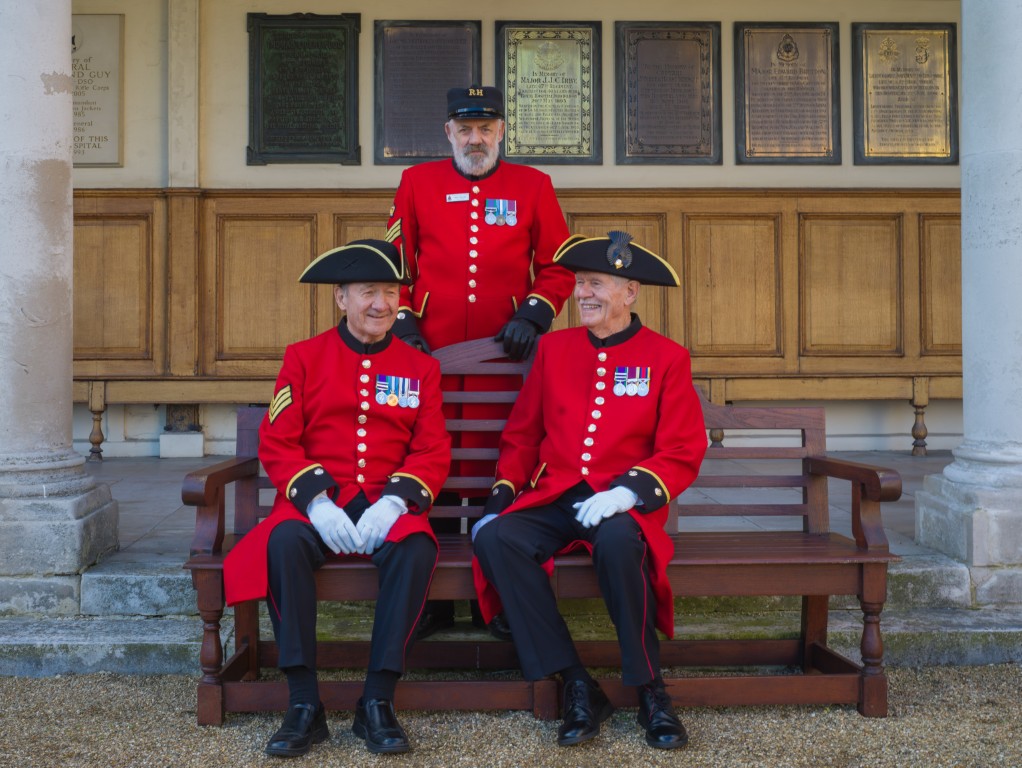
Photography graduate’s powerful portraits of Chelsea Pensioners
A former soldier turned student photographer at The Northern School of Art has paid homage to famous British Army veterans […]
July 9, 2025
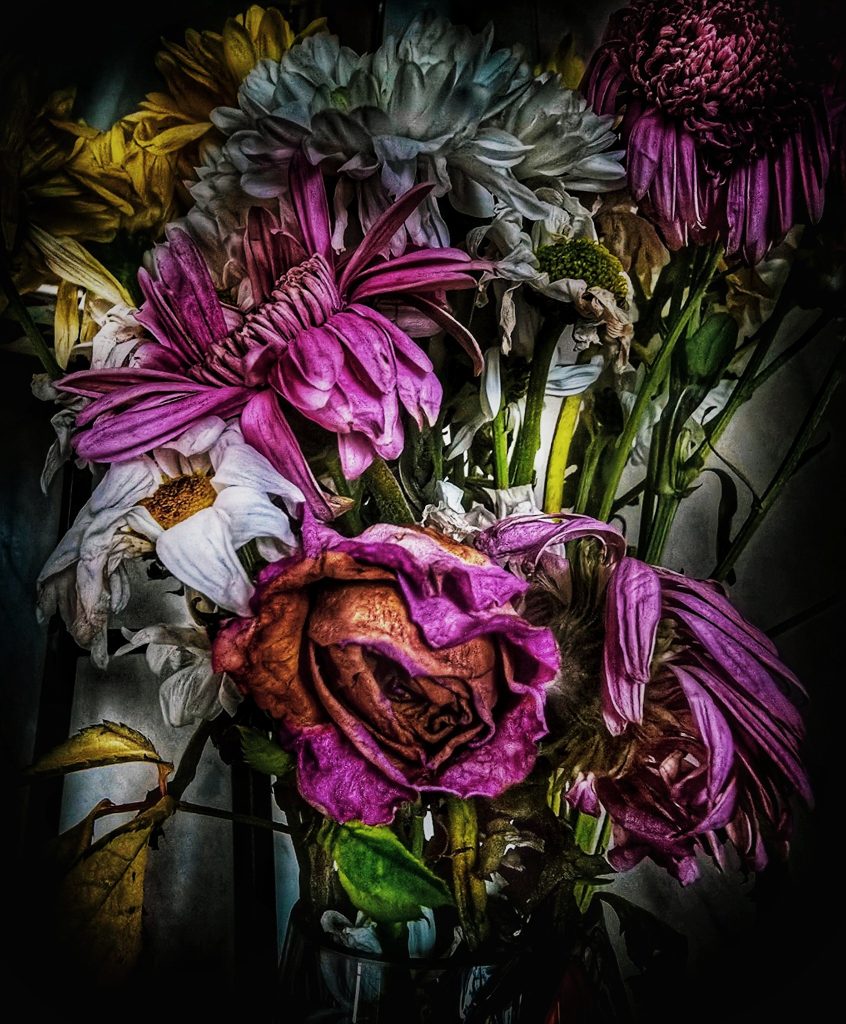
Helen Graham, Georia Moore & Jack Butcher shortlisted for the AOP Student Photography Awards 2025!
The AOP Student Awards shortlist has been announced and includes three of our talented BA (Hons) Photography students Helen Graham, […]
July 2, 2025
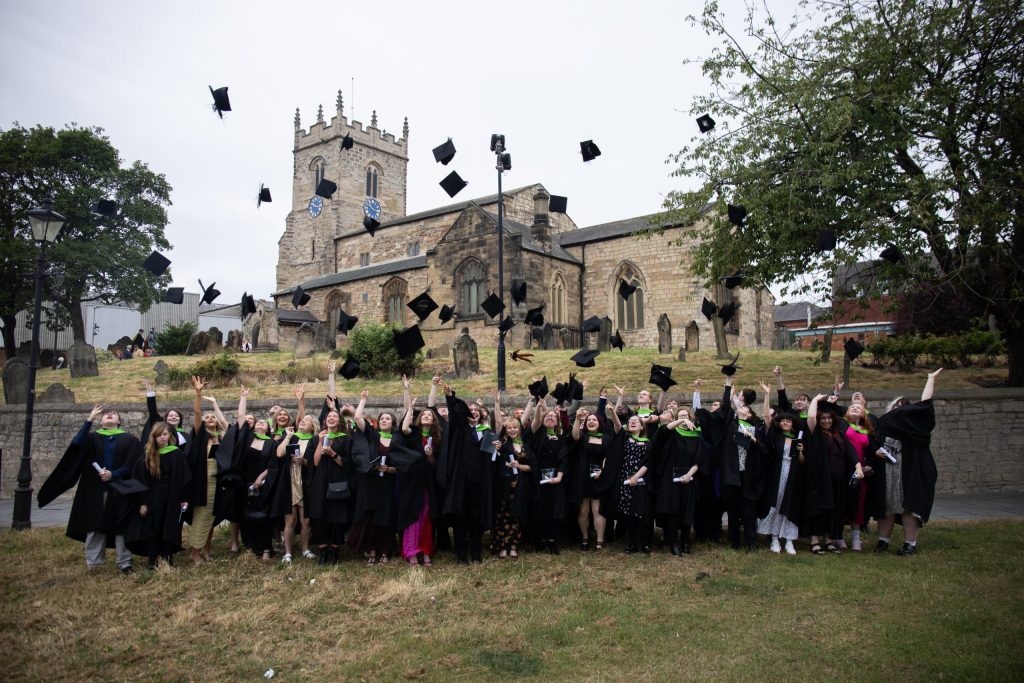
Class of 2025 graduate!
The Northern School of Art’s Class of 2025 celebrated their achievements in a series of graduation ceremonies at the historic […]
June 3, 2025
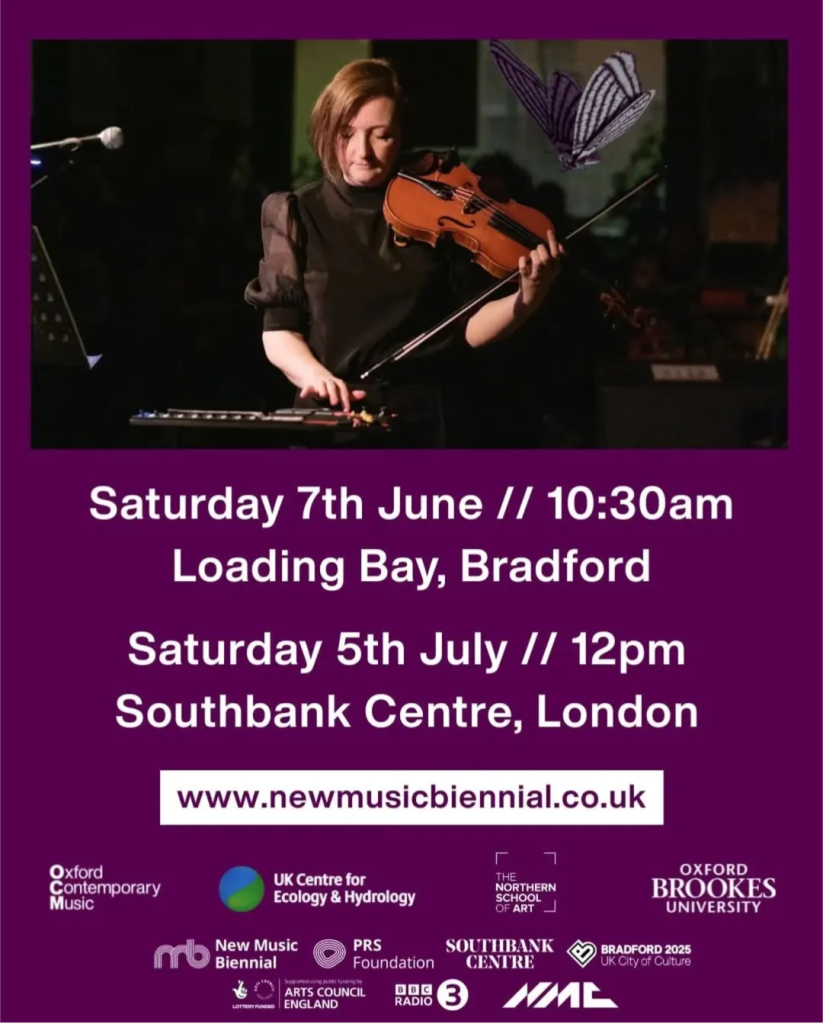
Animation and photography degree students create backdrop for unique music performances in Bradford and London
An animated film created by our animation and photography degree students is being unveiled as part of composer Ellie Wilson’s […]