
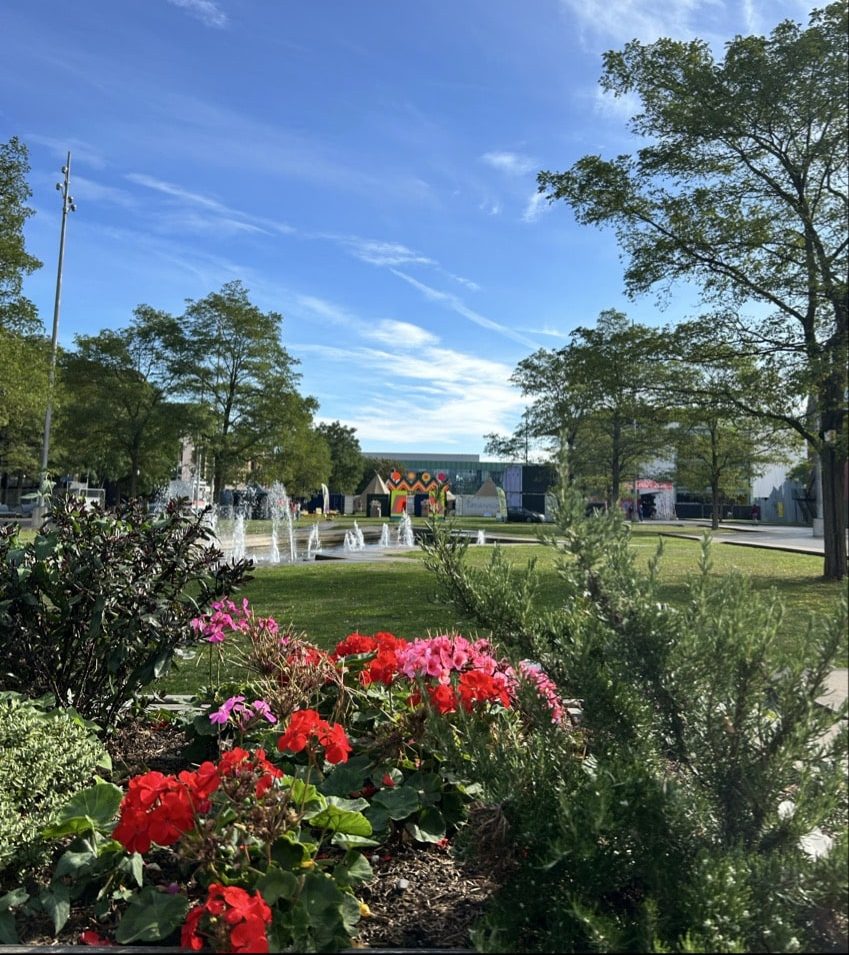
Recent graduates from our MA Creative Practice and MA Art Culture and Curation programmes are showcasing their work in Mapping Connections, a new exhibition created to celebrate the arrival of the Turner Prize in Teesside. The exhibition, which launched on 24 September, explores themes of belonging and community in Middlesbrough through the lens of local artists.
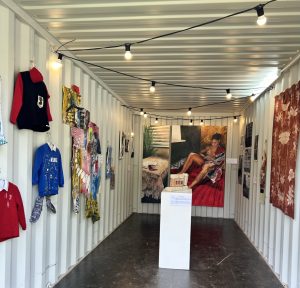
The exhibition will form part of Little Boro, a programme of activity taking place in Middlesbrough Centre Square, included in the Turner on the Tees and Middlesbrough Art Week creative programmes. Little Boro is a village of shipping containers that will be transformed into a series of creative spaces, providing an exciting setting for our students to showcase their work and explore the connections that shape Middlesbrough’s communities.
Presenting practice-based research, each MA artist’s individual enquiry explores community, belonging and pride from a unique perspective. Every piece of artwork serves as a glimpse through a curtain, into a back yard or front window, hinting at the different lives being lived here. Care and community, combined with humour in hardship, are uniquely explored in a diverse array of practices.
By using their own lived experiences, each artist has collaborated to create an exhibition with a shared sense of space, transforming this container into an interconnected neighbourhood of artwork, populated with snippets of lives and experiences as vibrant and diverse as Middlesbrough itself.
Stella Hall, Little Boro Creative Lead, said: “The talented MA students in this group have brought our ‘Island of Neighbours’ theme to life in wonderfully diverse and creative ways. Their work beautifully highlights the artistic talent thriving here in our region. We hope these young creators choose to stay, share their skills, and help build a bright creative future for our community.”
The exhibition, which has been curated by Jenny Batchelor and Claire Bentley, will include the work of eight Northern Art artists: Molly Arnold, Stephen Bailes, Naomi Fahy, Gabriel Gustard, Blanka Olejniczak, Scarlett Sinclair, Carl Truscott and Niki Widynska. Read on to find out a little more about their work
Featured Artists
Molly Arnold
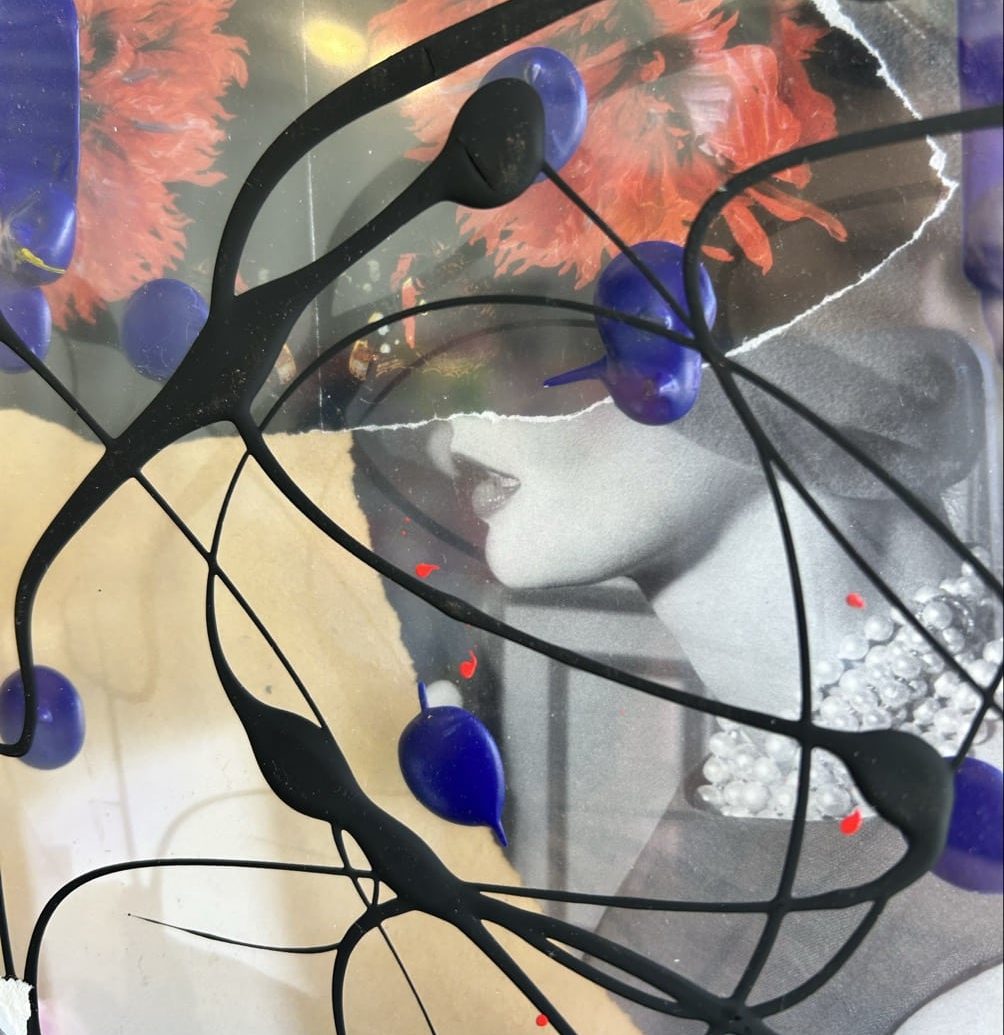
Molly Arnold is a North East-based visual artist who works in collage and experimental photography and explores concepts around the ephemeral nature of semiotics and communication within liminal spaces. The imagery used in this piece is inspired by still-life vanitas paintings, acting as a narrative device whilst embracing imperfections made during the creative process. This piece reflects the community and relational aspects of Molly’s practice, reflecting Middlesbrough’s growth as a community built through collaboration, as the layers come together at their final meeting place at MAW.
Reflecting on the exhibition, Molly said: “Taking part in Middlesbrough Art Week is an amazing opportunity. As my practice has developed over the years, I have had the pleasure of collaborating with so many different local artists. These collaborative elements seen all over Teesside have inspired the concepts behind my piece. I encourage viewers to interact with my work, designed to break the 4th wall within the exhibition space, giving the viewer a greater understanding of the creative process, embracing imperfections and connecting through art. This piece aims to use the imperfections made during the interactive creative process as a celebration and a reflection of Middlesbrough’s growth as a community, which has been built through collaboration.”
Stephen Bailes
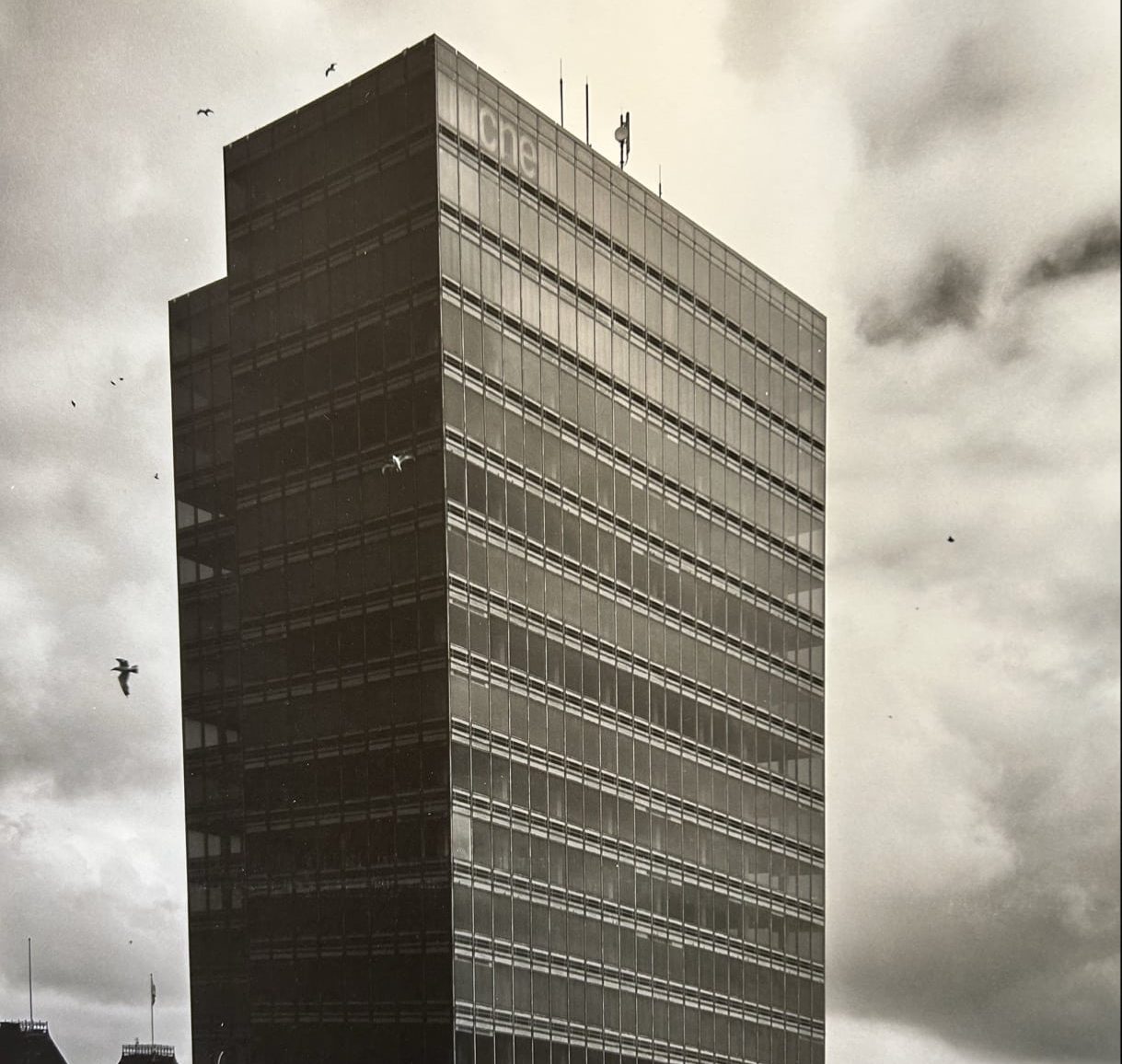
As a child growing up in Middlesbrough in the millennium, Stephen Bailes became fascinated by the town’s architectural history, from Arts & Crafts architectural decoration to Brutalist civic buildings. Stephen’s photographic series provides a survey of the historical past of Middlesbrough through the depiction of its overlooked and hidden liminal spaces.
Scarlett Sinclair
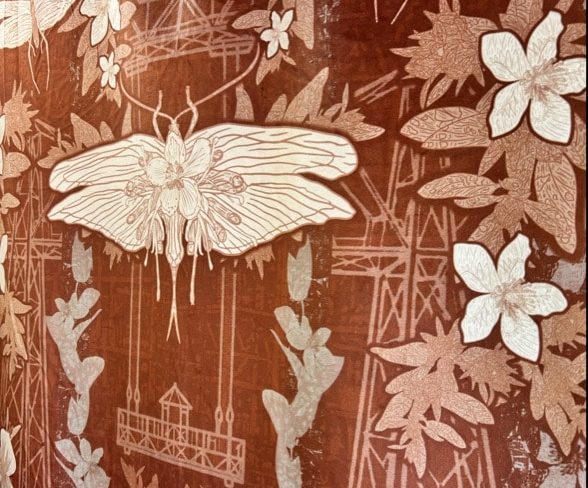
Scarlett Sinclair is a contemporary textile and digital designer whose interdisciplinary practice investigates the relationship between archive, material transformation and hybridity. Hybrid Bloom: The Entangled Specimens are 3D-printed hybrid flora-fauna specimens that have been brought together within a speculative museum collection. Each specimen combines familiar natural forms to create something imagined, questioning ideas around classification, collecting and where things belong. The fabric is inspired by Middlesbrough’s industrial landscape, connecting the movement of flora and fauna through trade and collecting with the town’s own history of industry, movement and exchange.
Reflecting on the exhibition, Scarlett said: “I’m really excited to be taking part in Middlesbrough Art Weekender 2026,” commented Scarlett. “As a designer from the North East, it’s been an amazing opportunity to create work that responds directly to Middlesbrough and its industrial heritage. My piece brings elements of the town’s iron and steel history together with the natural forms and hybrid specimens that run throughout my Hybrid Bloom practice. I’m looking forward to seeing the work exhibited as part of the weekend and being alongside so many other creatives working in and around the area.”
Naomi Fahy
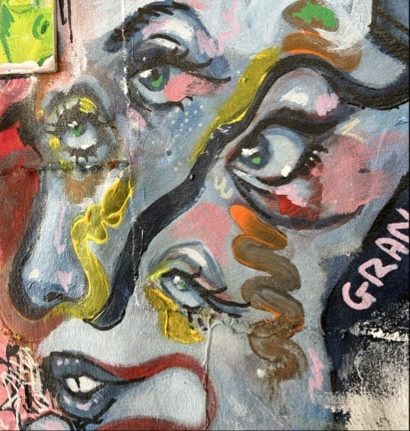
Naomi Fahy is a multidisciplinary artist with a significant focus on expressing neurodivergent experiences and voices through text, imagery and structure. The work situates itself within hybrid contexts using printing methods, painting and mixed media. This work on show depicts maps of specific locations within the Middlesbrough area, combining cyanotypes, found material and painting, referencing the themes of culture and identity and forming a multi-layered tapestry of people and place.
Gabriel Gustard
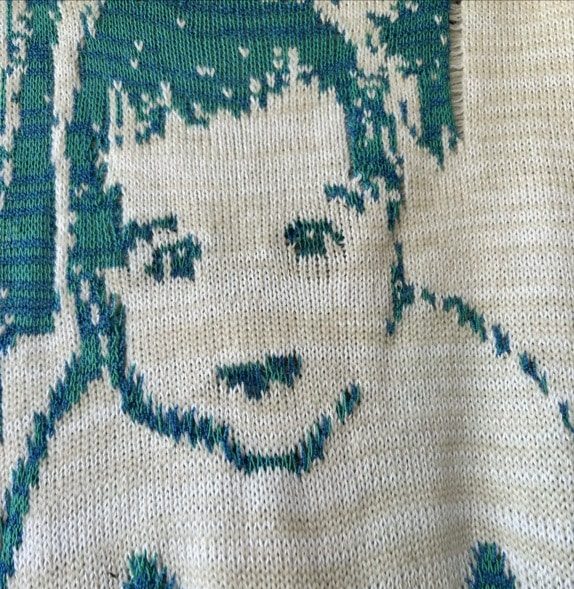
Gabriel Gustard is a transgender visual artist who explores imaginary play and self-discovery through textiles and found objects. Inspired by memories and the spaces between gender identity and neurodivergence, his work embodies these experiences and begins to take on a life of its own. Look Up! brings together second-hand school uniforms and illustration to celebrate children’s culture in Middlesbrough. Playful imagery references childhood experiences while celebrating the Middlesbrough Lion. The pieces celebrate the town’s diverse cultures and communities through reused materials and handmade textiles, presenting Middlesbrough from a child’s perspective.
“Usually when I take part in exhibitions, I tend to transform a whole room, or a section of one, into its own little world. Sharing a container with lots of other artists isn’t typical for me. It’s good to try new things, though, so I’ve scaled the work back to focus just on the garments on the wall. If the work is going to be smaller, I also wanted to think like I’m small – like a child too. With children going back to school around this time, and my friends knowing how much I love upcycling, I ended up with lots of second-hand school uniforms. I decided to mainly use fabric paint and pens to keep that childish, naïve quality of drawing directly onto clothes. I’m enjoying the process and looking forward to being in Little Boro when it’s all set up and booming too!”
Blanka Olejniczak
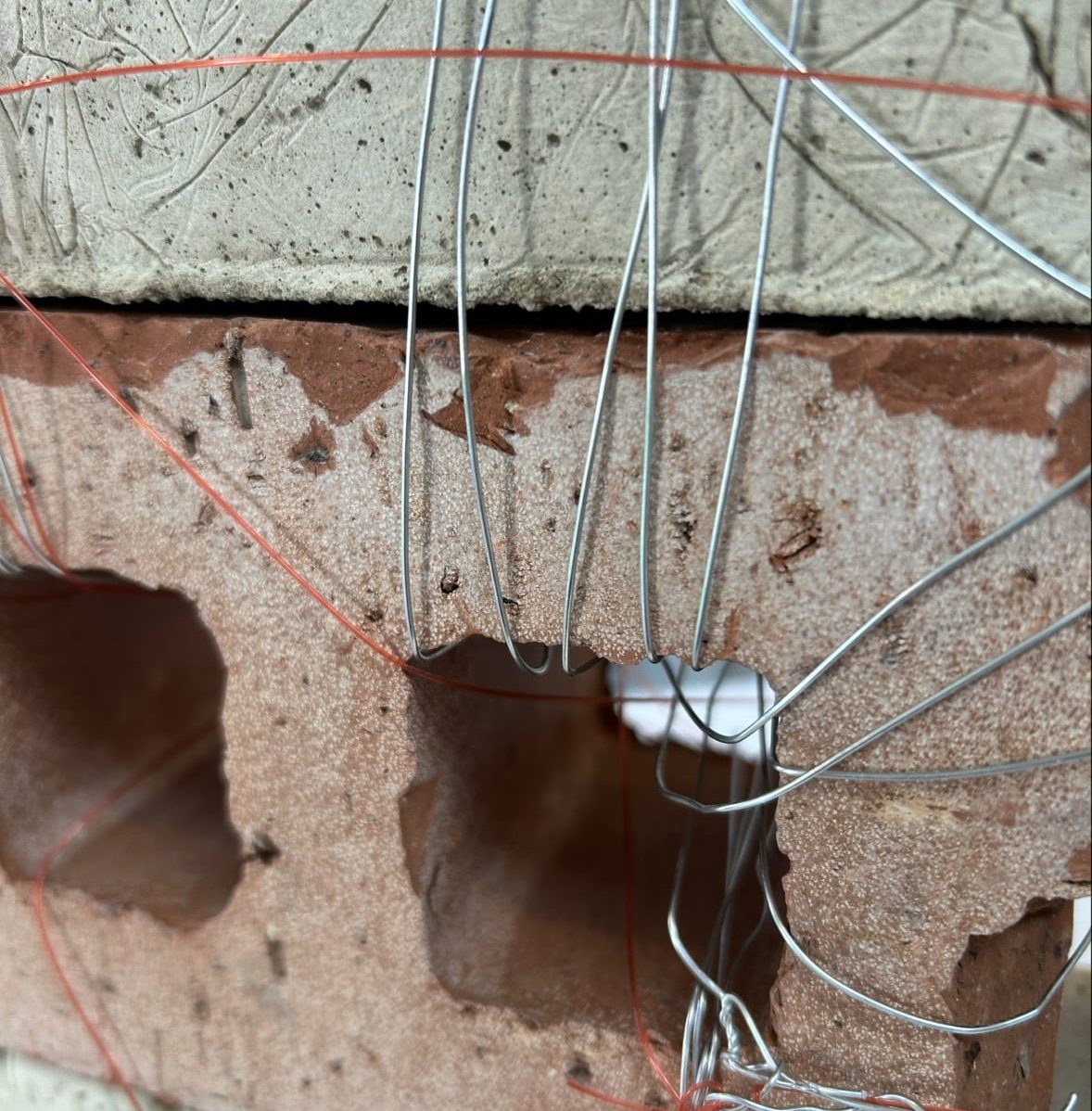
Blanka Olejniczak is a Polish visual artist, sculptor and curator based in the North East of England. Her practice explores the human condition, memory, place and connection through site-responsive sculpture, mixed media and public engagement. Lines Between Us is a lightweight, wall-based mixed-media installation inspired by Middlesbrough’s industrial history, the River Tees and the theme ‘An Island of Neighbours’. Using fabric, metal wire, red thread, paint, wall filler and transparent fragments, the work explores connections between people, places and movement across the town.
“The sculptural element extends Lines Between Us into physical space. Created for the Container Village Exhibition at Middlesbrough Art Week 2026, the work uses concrete, brick, metal wire and red thread to reference the built and industrial landscape of Middlesbrough. Heavy materials are held together, separated and reconnected through lines, reflecting relationships between people, places and memories. A displaced concrete fragment sits apart from the main structure while remaining connected to it through a network of wire and thread, exploring ideas of distance, belonging and interdependence.”
Carl Truscott
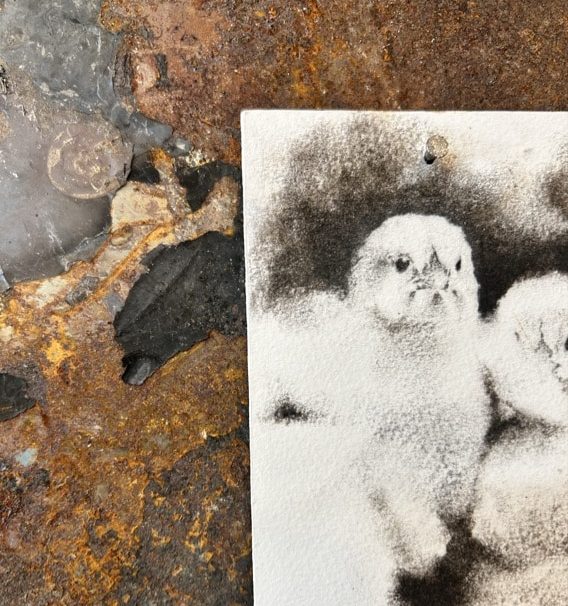
Carl Truscott is a working-class artist based in the Tees Valley who uses a combination of charcoal drawings and found objects to investigate the primitive origin of art, and the role of the artist as an ‘image hunter’ and creator of meaning. He experiments with scale, space and recurring motifs pulled from the cultural signs and symbols of council estates to craft new folklore myths for a post-industrial generation. Refractory Spirits is a work which uses the analogous forms of the animals that stubbornly occupy the streets of South Bank in Middlesbrough, and gestures towards the memories of lives lived and the mutable nature of an object’s meaning.
Niki Widynska
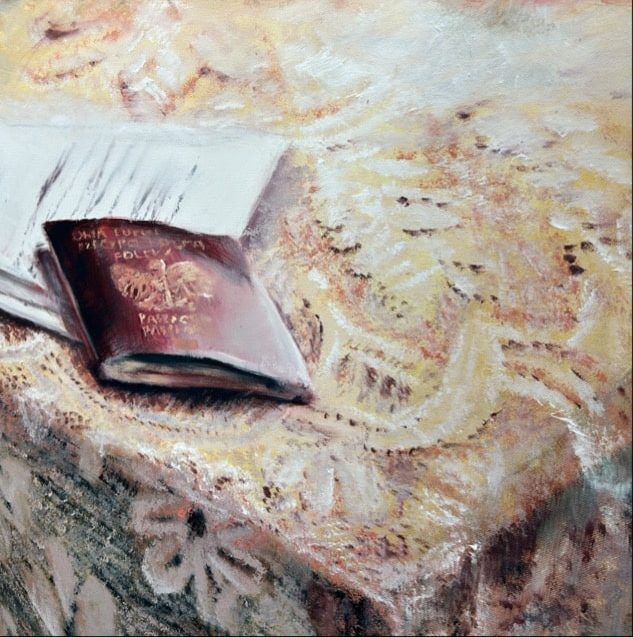
Niki Widynska is a Polish figurative oil painter based in Hartlepool. Beginning with lived experience, she uses her own image and expressive brushstrokes to explore her relationships with femininity, migration and emotion. Drawing from the drama and physicality of Baroque painting, she reworks the classical figure through a contemporary, autobiographical lens. Land of Hope and Glory uses the British flag to examine migration, belonging and the reconstruction of British identity through the diverse cultural landscape of Middlesbrough.
If you are interested in taking your creative practice and research to the next level make sure you check out our postgraduate degree programme today! Click here to find out more.