
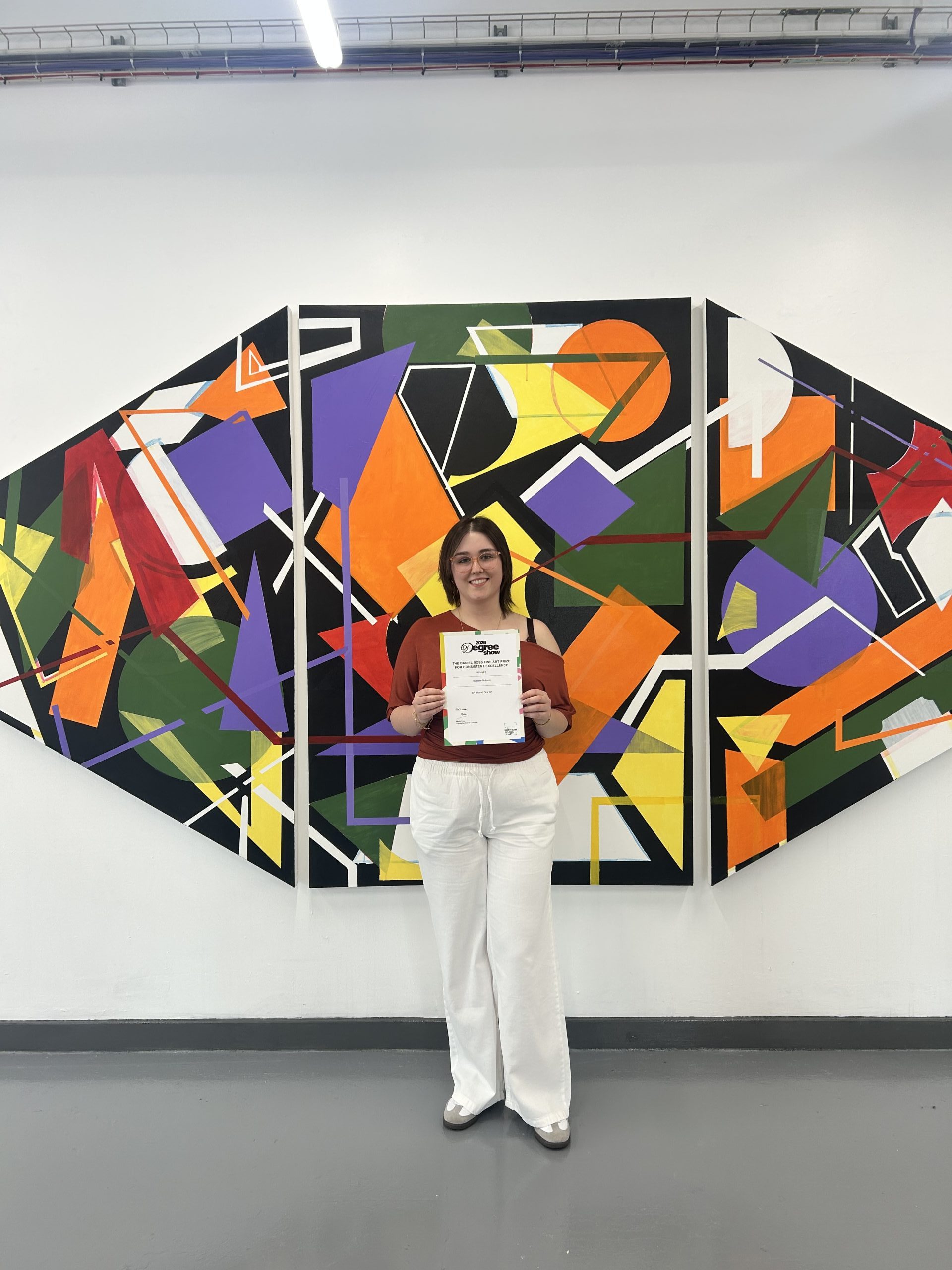
BA (Hons) Fine Art student Isabelle Dobson is the recipient of The Daniel Ross Fine Art Prize 2026, which recognises the student who has consistently excelled across all aspects of their studies during the three years of their programme. It bears the name of a student who excelled in everything he did during his time at The Northern School of Art.
Lecturers commented: “Driven by an unerring work ethic, Isabelle should be incredibly proud of the consistently excellent paintings that she has produced, particularly since she found her visual language at the beginning of the second year.”
Isabelle, 20 years old, from Gateshead, said: “I was very shocked and didn’t know how to react, but as I had time to sit with what this award meant, it made me feel proud and glad to know that my hard work over the past three years hadn’t gone unnoticed.”
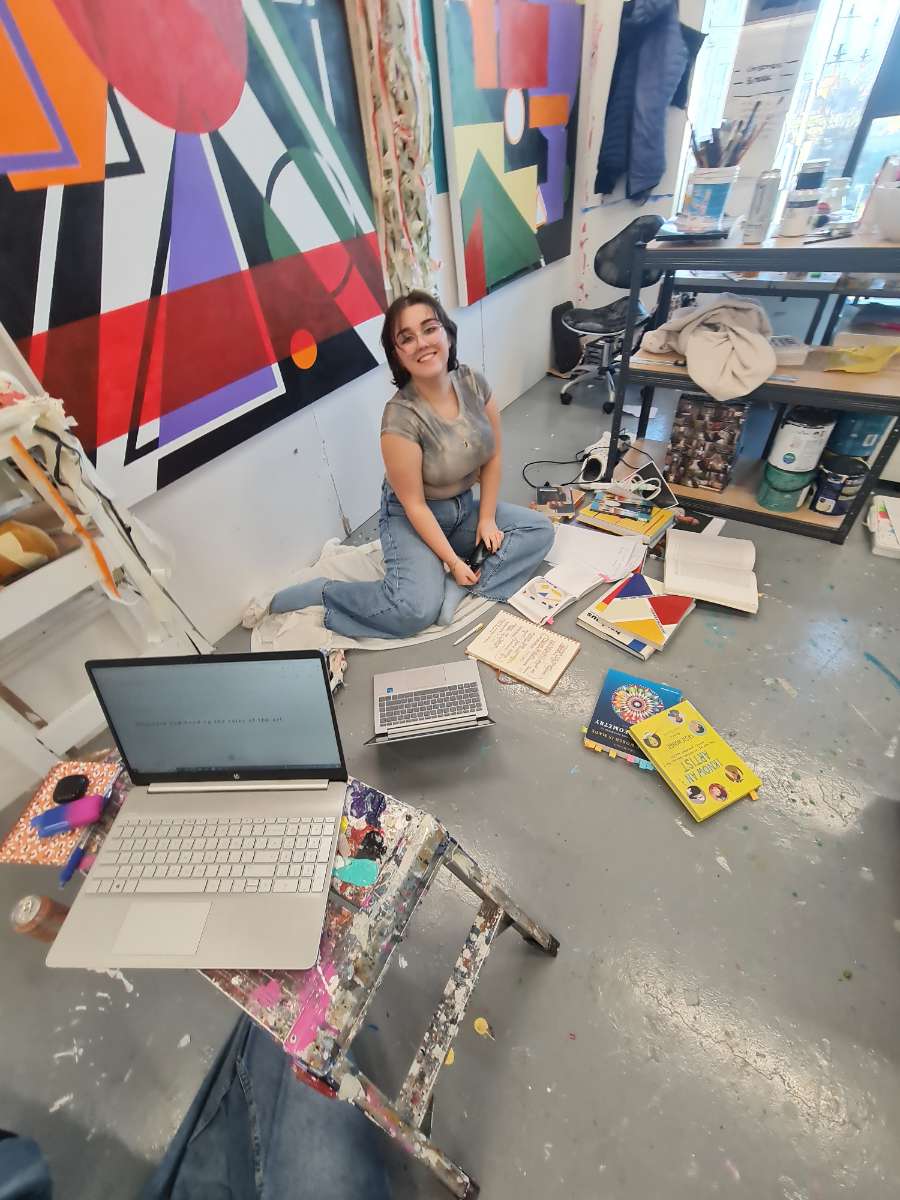
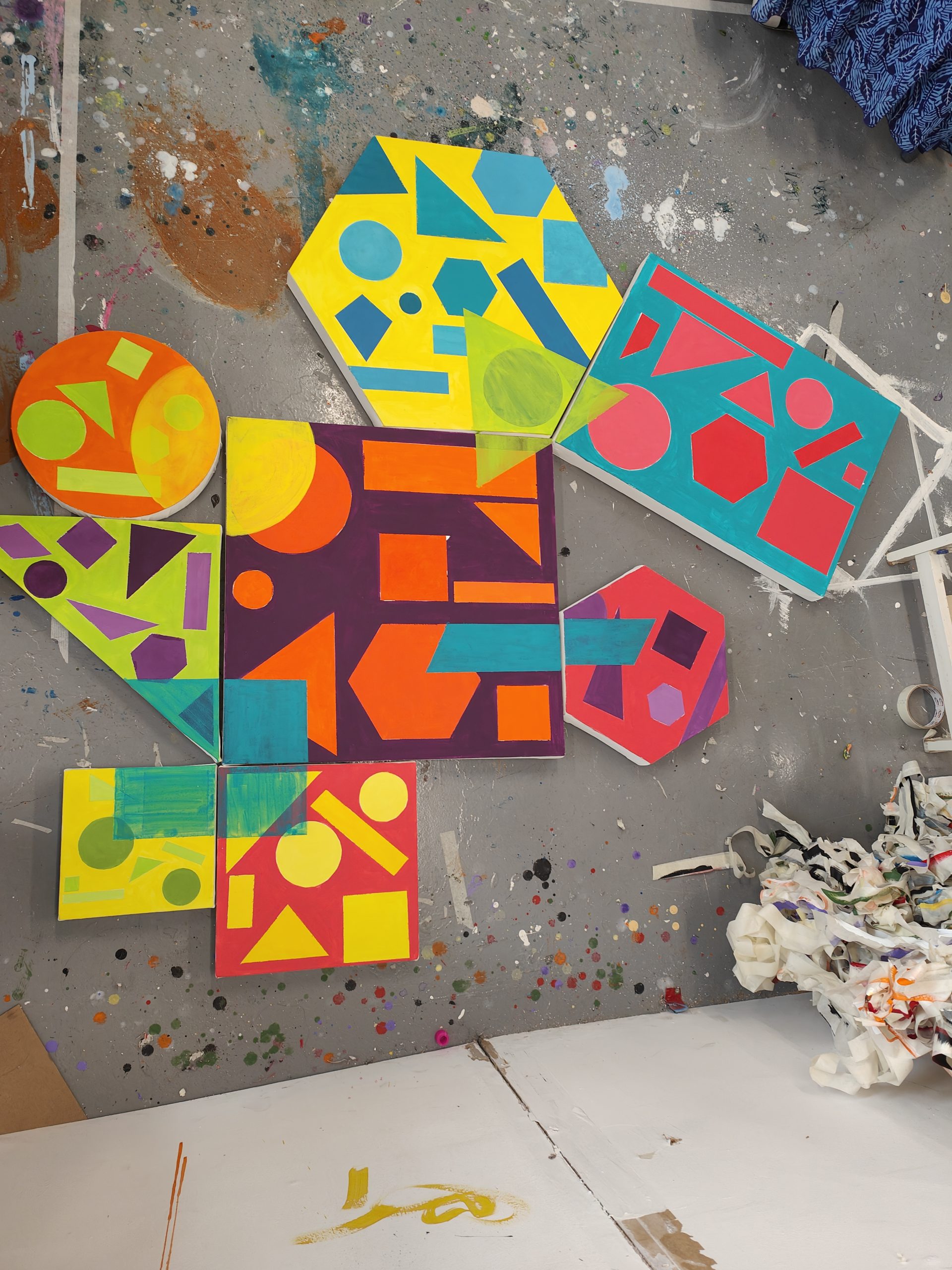
Isabelle’s practice investigates abstract painting, “working with heavy-body acrylic and texture paste. These media assist me in the playful study of the ‘push and pull’ of figure and ground within painting. This ongoing exploration of the foreground and background, creating illusionary space through visible layers of paint within geometric abstraction, is a fascinating counterpoint to the traditional ‘flatness’ of this genre of painting. An important element in pursuing these objectives is the consideration of colour and balance. With influences from artists such as Hilma af Klint, Peter Halley and Kazimir Malevich, these concepts drive the visual language and inform the decisions that determine the direction each piece will take.”
Reflecting on the degree programme, Isabelle commended the freedom students are able to have, commenting: “I have found it unrestrictive in terms of creative opportunities. Yes, there are guidelines and criteria that you must follow and meet, like any other course, but you are able to take your practice in the direction you feel is right for you. Within my first year, our lecturers gave us the opportunity to explore a wide range of different media and techniques. This varied from printmaking to ceramics. Many of us used this as a chance to experiment and have fun with materials we had never worked with before. It allowed me and others to step outside our comfort zones when creating art.”
She also commented on the career focus that the course promotes, she said: “Second year allows a real look into what working in the art world can be like, experiencing what it is like to organise and produce our own show. We had to make contacts with local galleries and businesses to find our own venue, and host a fundraiser in order to pay for our catalogues. Despite it being challenging at times, it has taught me a lot about what goes on behind the scenes of a show that you wouldn’t normally see.”
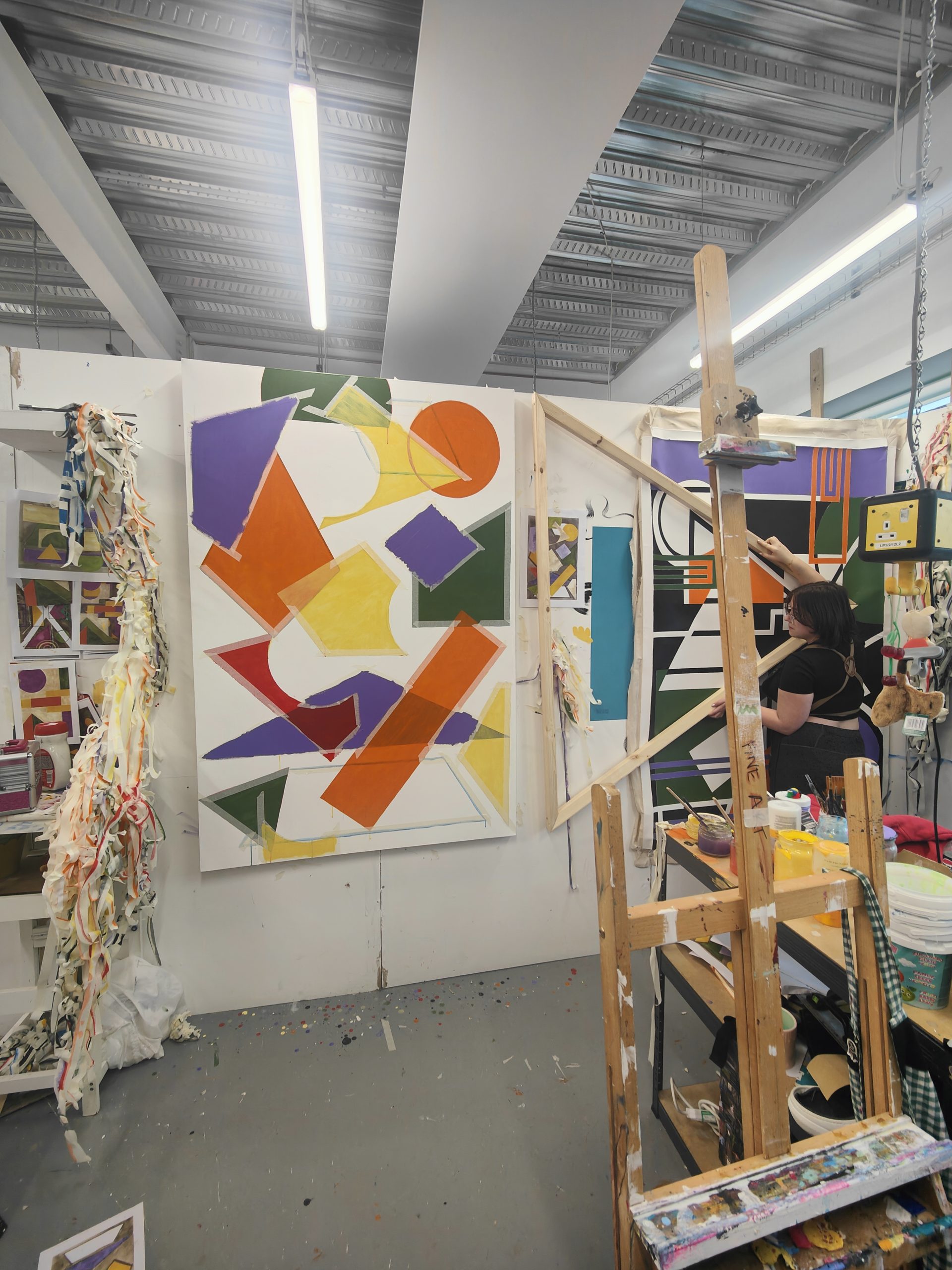
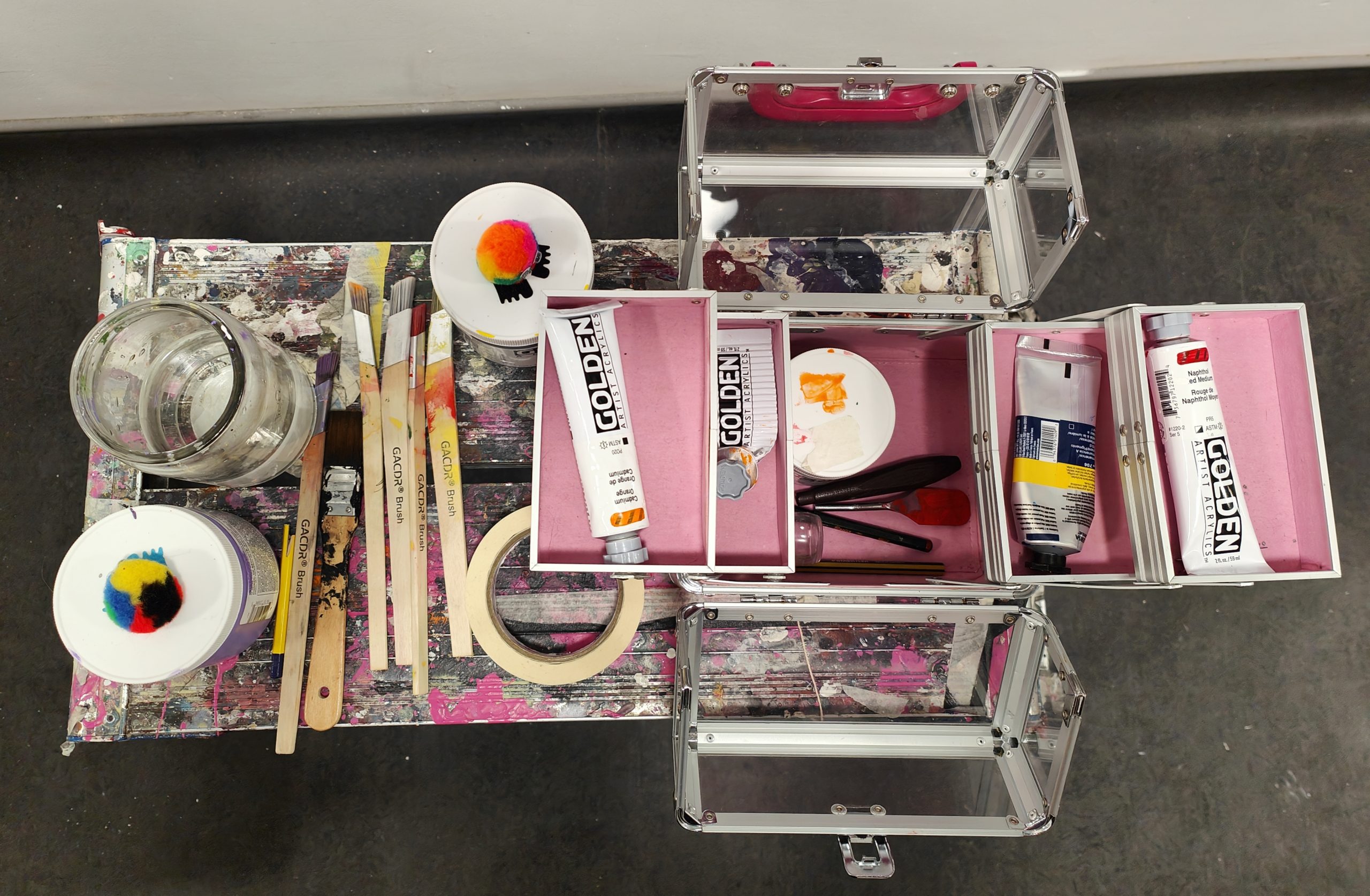
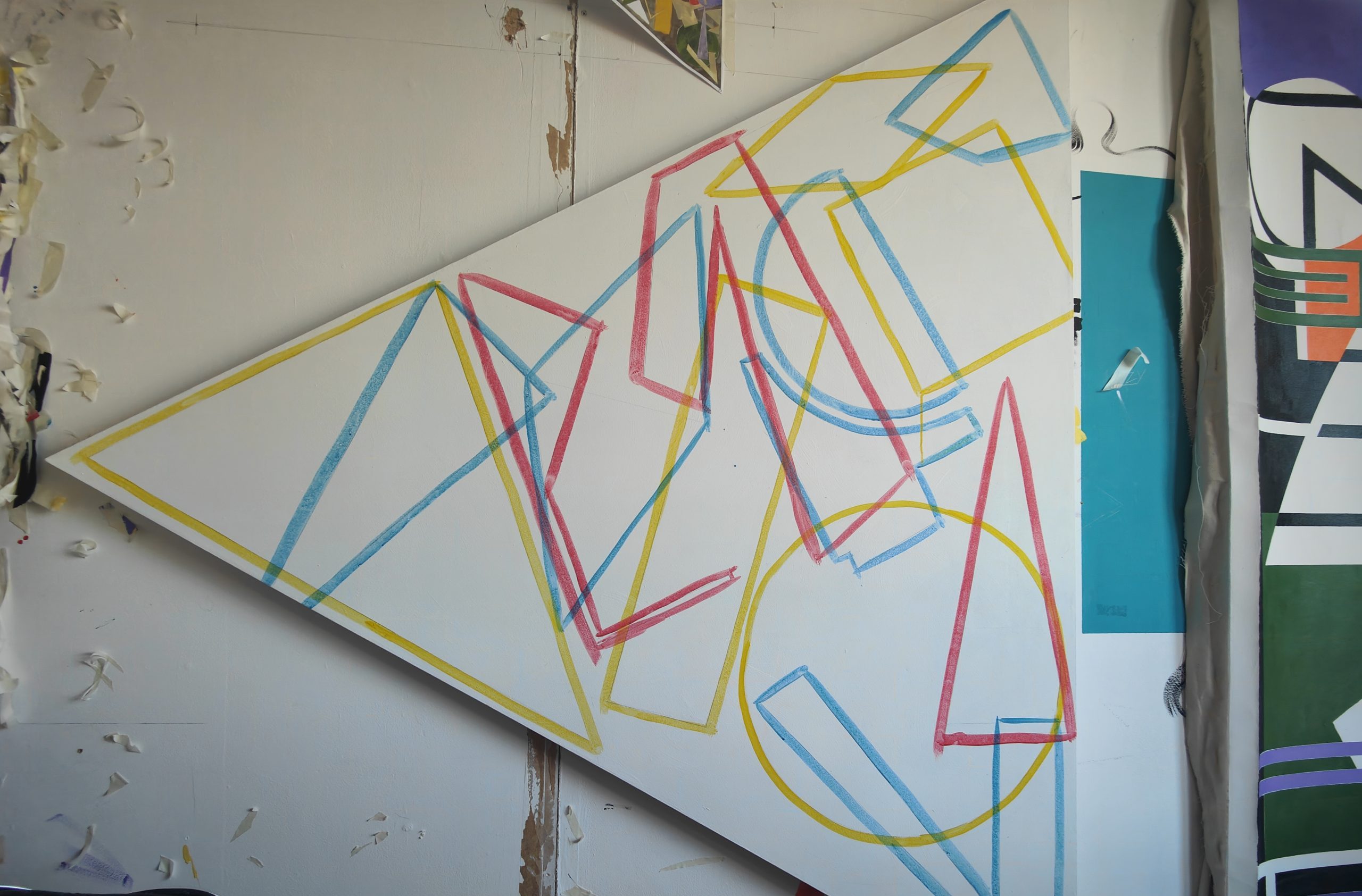
“One of the biggest highlights for me was the beginning of third year,” said Isabelle. “By that point, I had spent the previous two years trying to understand my own visual language and what direction I wanted my work to go in. So, when it came to painting again in my final year, I felt far more confident in myself and my work as I understood my process and myself as an artist. After finishing my painting, I realised that all the experimenting, uncertainty and hard work from the previous years had been worth it.”
She also commented that her “favourite memory of my time here would have to be the many, many dance breaks I would have with my friend, JK. We would often do this whenever one of us was frustrated with our work or just feeling down. It never failed to lighten the mood and remind us that university shouldn’t always be serious.”
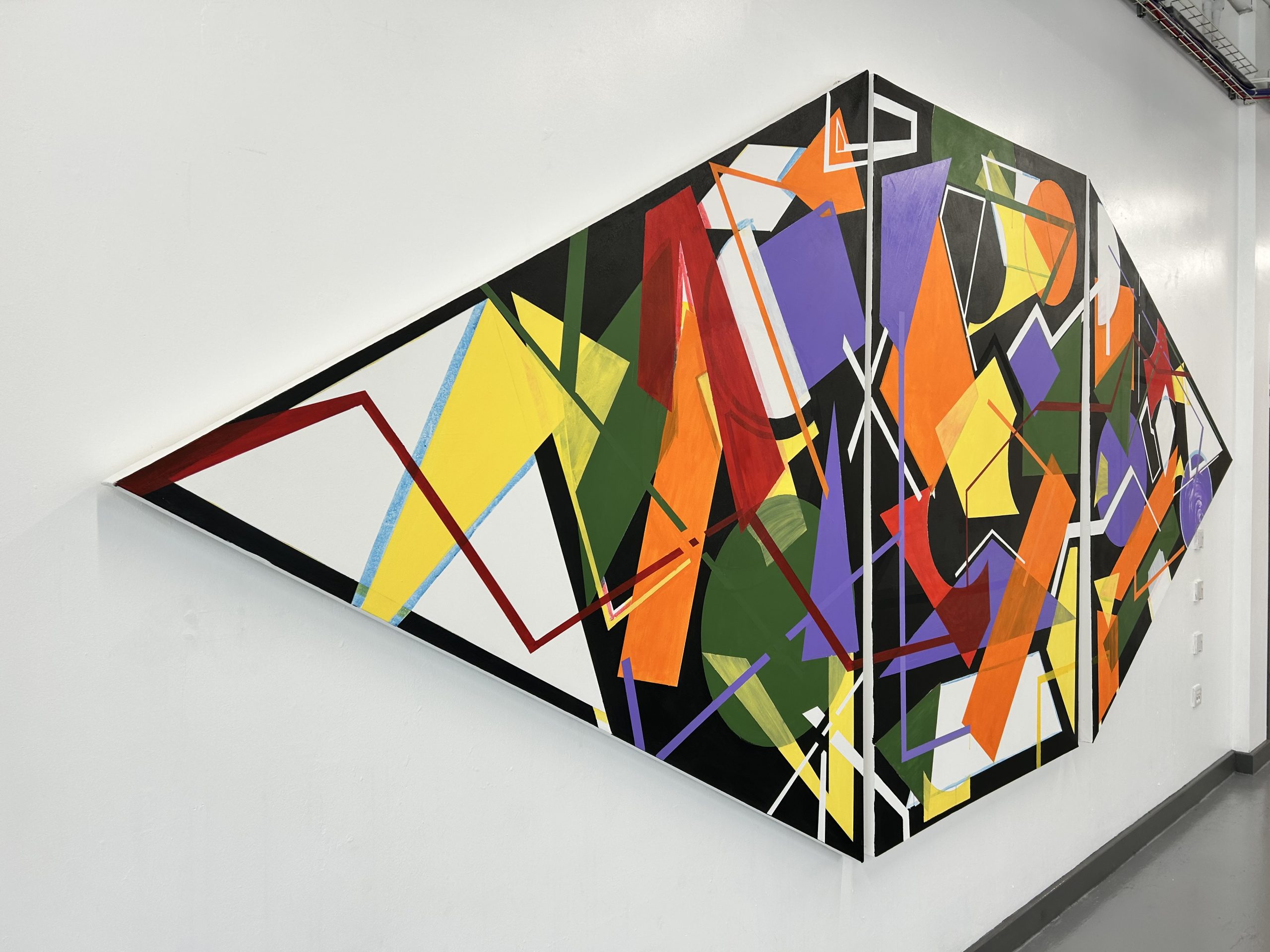
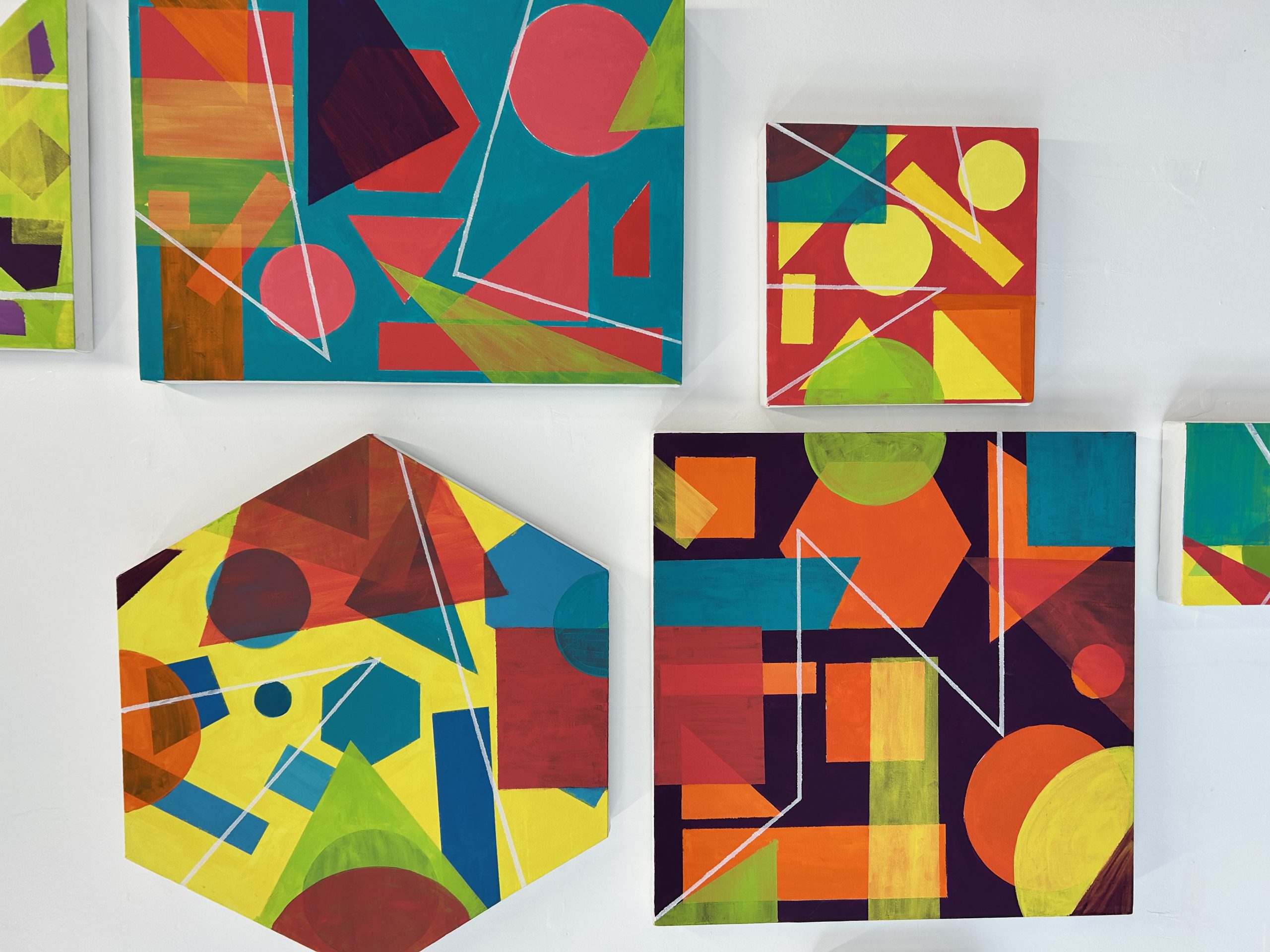
When asked what advice would she give future students, she said: “Advice I would give to new students would be to always take the tutorials from the lecturers when offered. In the moment, you might not want them, but there will be times when you’re looking for new ideas or ways to describe your work and you’ll realise it has all been discussed in a tutorial with your lecturer before. Another piece of advice would be to ask questions. You might feel as if it’s a silly question, but it’s always worth asking, as other people are probably thinking it too!”
Keep up to date with Isabelle’s work on Instagram: @paintings_by_izz
Interested in studying a degree in fine art? Make sure you check out our dynamic programme here.