
BA (HONS)FINE ART
DURATION
3 Years (Full-Time)
UCAS COURSE CODE
W101
INSTITUTION CODE
C71
CAMPUS
Hartlepool
COURSE OVERVIEW
In a dynamic environment of dedicated studios and industry-standard workshops, you’ll gain the technical expertise, creative confidence, and critical understanding needed to shape your unique artistic voice.
Whether focusing on a single discipline like Painting or pushing boundaries with multi-disciplinary approaches, you’ll have the freedom to experiment and evolve. From exploring diverse concepts in your first year to curating exhibitions in your second, and refining your visual language in your final year, every step is designed to nurture your ambitions. Our professional studies content connects you to the thriving North East art scene and equips you with the skills for a successful career in the arts—whether as an exhibiting artist, educator, or through postgraduate study.

SEE MORE FROM THE COURSE
Follow us on Instagram for student work, behind the scenes and more.
CREATIVE PARTNERS



COURSE INFORMATION
COURSE DETAILS
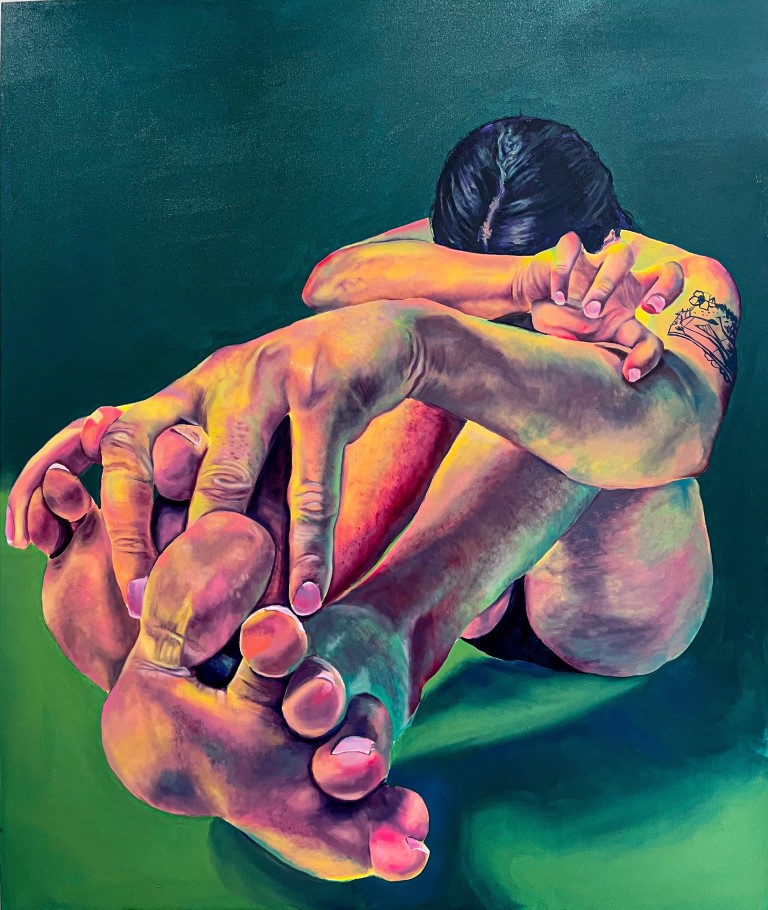
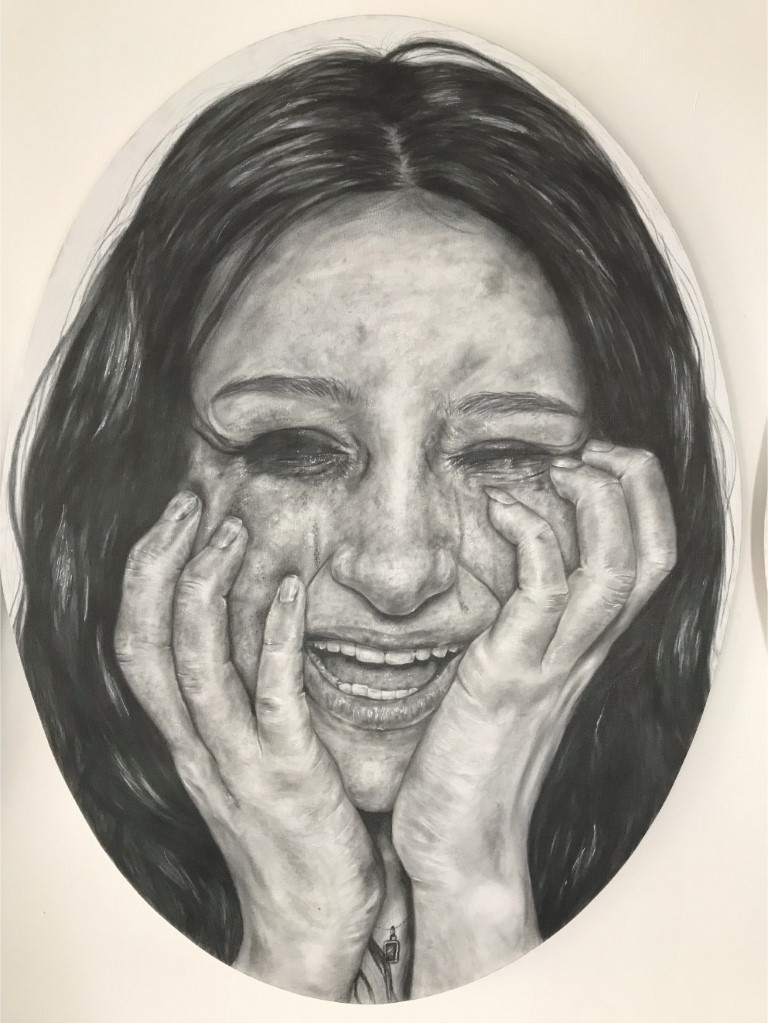
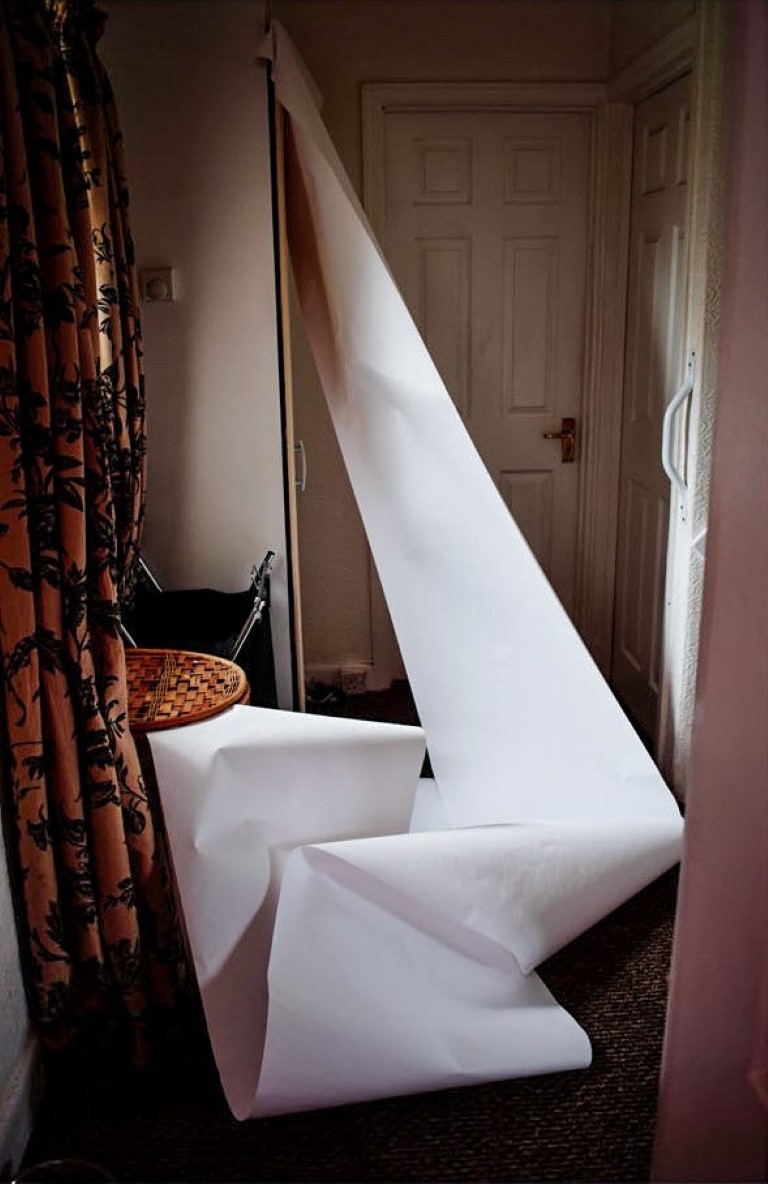
Students will be offered technical training that will allow you to become an arts and media specialist. Challenging and extending the traditions of such disciplines as fine art painting, drawing, printmaking, photography, video and sculpture. The wide range of superbly equipped workshops available to you will also facilitate the kind of experimental combining of materials and processes needed to explore and create hybrid art forms. You will be encouraged to explore art history and the context of your practice, in order to establish a strong personal visual language.
In year one, you will be introduced to a range of fine art concepts, processes and subject matters. In year two, you will make an informed decision about the subject matter, media or combinations of media that you wish to explore in your personal practice and have the opportunity to exhibit your work. In your final year, you will be supported in developing and refining your craft in order to realise your creative aspirations as an independent practitioner.
CREATIVE PARTNERS
Our school engages with a wide range of partners working across each creative sub-sector to ensure that teaching and learning are in line with the latest developments in and requirements of industry, including:
Industry Partners
• Jenny Morten, Artist
• Richard Forster, Artist
Guest Speakers
• Claire Davies, Video Artist
• Richard Forster, Artist
• Mark Jackson, Curator
• Nick Kennedy, Painter/Sculptor
• Ian MacDonald, Photographic Artist
• Narbi Price, Painter
• David Rickard, Sculptor
• Matt Roberts, Curator
• Dafna Talmor, Photographic Artist
• Godfrey Worsdale, Curator
• Nathaniel Pitt, Curator
• Jo Hamill, Artist
• Gordon Dalton, Artist
• Mark Houghton, Sculptor
• Lothar Gotz, Artist
• Eric Bainbridge, Artist
INDUSTRY PROJECTS
Students and graduates have exhibited in various venues, including:
• The National Museum of the Royal Navy, Hartlepool
• Hartlepool Art Gallery
• Fresh, Thirsk
• The House of Blah Blah, Middlesbrough
• The Python Gallery, Middlesbrough
• Pineapple Black Arts, Middlesbrough
• The Hub, Redcar
• Base Camp, Middlesbrough
• Middlesbrough Art Weekender
• Ferens Art Gallery, Hull
Commissions
• Middlesbrough Tunnel Gallery Commission
• Auxillary Arts Space Development Prize, including studio space and mentoring - 2022
ALUMNI
Our course has a track record of developing successful creative practitioners.
Our Alumni include:
• Jane Bizimana, Arts Events Organiser
• Mollie MacSween, Artist
• Alice Hogg, Artist
• Rebecca Hayne, Artist & Curator
• Aran Batey, Curator
• Mary Crick, Artist
• Zoli Fodor Jordon, Artist
• Sophie Heyes, Artist
• Abby Pearce, Art Teacher & Educator
• Sarah Burley, Art Teacher & Educator
• Natasha Pybus, Art Teacher & Educator
• Charlotte Etherington, Art Teachers & Educator
• Anita Sewell, Artist-in-Residence
• Lucy Bain, Artist
WHAT YOU'LL STUDY
YEAR ONE
Fine Art Foundation and Orientation
In your first year (Level 4), you will be introduced to the core skills, and techniques that form the foundation of fine art practice. You’ll explore a variety of mediums and approaches to help you understand the wide possibilities within the discipline. This year focuses on developing your creative conceptual understanding of the technical training that will allow you to become an arts and media specialist.
• 2D Practices including Painting, Drawing and Printmaking
• 3D Practices including Assemblage, Casting, Installation and Site Specific Art
• Digital Practices including Photography, Scanning, Editing and Video Production
• The content, form and context of your work in relation to the work of other Fine Art practitioners through debate and analysis
• Narrative
• Creative Thinking
YEAR TWO
Development and Exploration
Your second year (Level 5) builds on this foundation, allowing you to develop more focused advanced practice. You will begin to define your personal direction through your body of work and subject matter, in which you will explore opportunity to exhibit your work, while building a professional portfolio that reflects your developing specialism.
• Your individual personal practice
• Confidence in directing your own work and understanding its context
• Your Professional practice through live assignments, work experience and collaboration
YEAR THREE
Consolidation and Expertise
In your final year (Level 6), you will consolidate your skills, experience and creative identity as a fine artist. Working on a self-initiated body of work, you will refine your practice and explore your future professional direction. This year provides the opportunity to realise your creative aspirations and independent practitioner and prepare for a successful transition into professional practice or further study.
• A honed exhibition of personal practice
• Work for competitions and commissions
• Dissertation which will enrich and inform your practice
• A plan for life beyond your degree
YEAR FOUR (OPTIONAL)
Optional Master of Arts.
Develop your creativity even further with a postgraduate study year – https://northernart.ac.uk/masters-degrees/
KEY INFORMATION
ENTRY REQUIREMENTS
We consider every application on its own merits. Because of the creative nature of our programmes, we are interested in your potential, creative interests, current skills, commitment and readiness to develop – not just your academic profile.
For our undergraduate programmes, the standard academic entry requirement is 96–112 UCAS Tariff points. These will normally come from Level 3 qualifications such as A Levels, T Levels, UAL Diplomas, BTEC Diplomas or a Foundation Diploma in Art & Design.
Your portfolio review is an important part of our admissions process. It gives you the opportunity to show us your work, talk about your ideas and interests, and demonstrate the skills, experience and potential you could bring to your chosen programme.
We recognise that applicants come from different educational backgrounds and have had different levels of access to creative opportunities. We therefore do not expect everyone to arrive with the same qualifications, experience or type and amount of portfolio work.
If you are predicted fewer than 96 UCAS Tariff points, have qualifications that do not fit the standard entry requirements, or have relevant professional or other experience, we may still be able to consider your application. Please contact our Admissions team for advice.
If you are a mature applicant aged 21 or over, particular consideration will be given to the skills, experience, creative potential and readiness for higher education that you demonstrate through your application and portfolio review.
Applicants should also be able to demonstrate appropriate literacy and written communication skills. This may be evidenced through relevant qualifications or, where appropriate, through other evidence such as written work, sketchbook annotations and discussion during your portfolio review.
If you are unsure whether your qualifications or experience meet our entry requirements, please contact Admissions. We will be happy to talk through your circumstances before you apply.
PORTFIOLIO ADVICE
Your portfolio review is a chance for us to get to know you, your creative interests and the potential you could bring to the course. We are not looking for a perfect or professional portfolio. Bring a selection of work you feel represents you - finished pieces, work in progress, sketchbooks, experiments, photographs, digital work or written ideas are all useful. Choose work you can talk about, including what you enjoyed, what challenged you and what you would like to develop next. You do not need to include every example below.
Potential things to include:
Drawings, paintings, photography, print, sculpture, installation, performance documentation, moving image, digital work, sketchbooks, research, experiments and writing. We value individuality, curiosity, risk-taking and your willingness to explore rather than a particular style or finished outcome.
CONTACT TIME
This creative-industry-focused programme typically provides 16 hours of contact time per week across the academic year. Students can typically expect to receive 10 hours of taught sessions and 6 hours of supervised open studio time, supported by specialist technicians, and have open access to studios and workshops (subject to School opening times and availability). In the final year, students typically engage in a higher proportion of supervised, independent study, reflecting the increased focus on self‑directed practice and specialist project work at this level.
In addition, students are expected to undertake independent study appropriate to a full-time undergraduate degree programme.
VIDEO SHOWCASE

BA (Hons) FINE ART - COURSE TRAILER
FACES OF CREATIVITY - MEGAN BINGHAM
IMAGE GALLERY

MEET THE TEAM
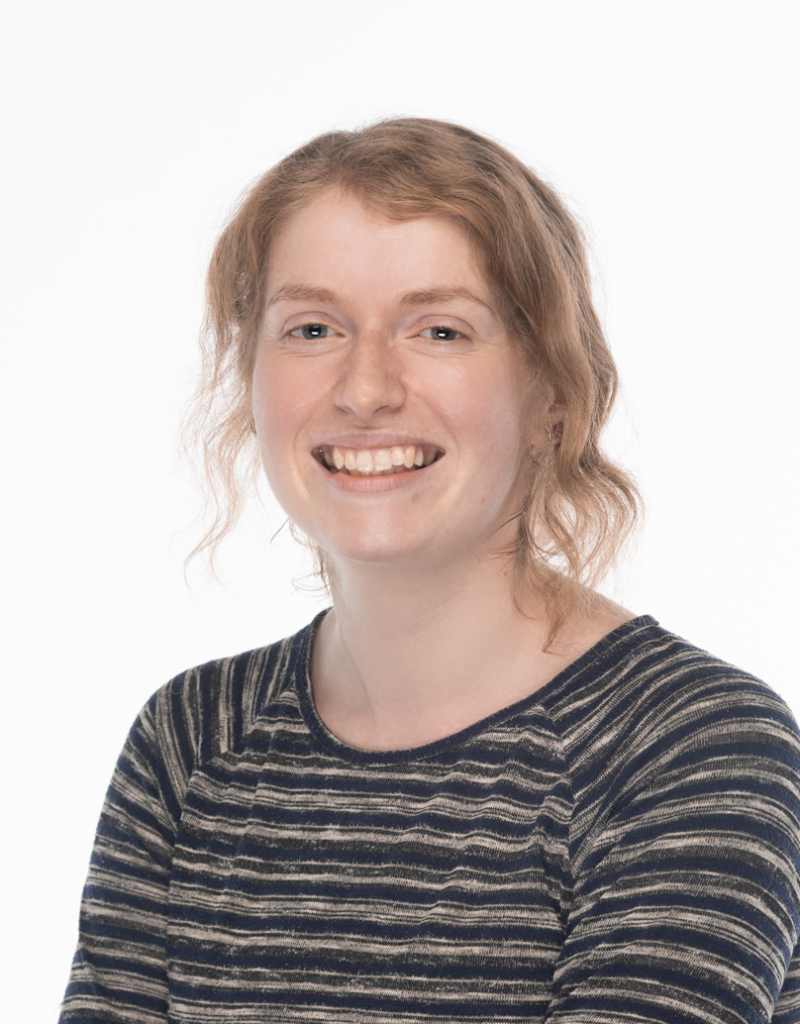
OUR ALUMNI
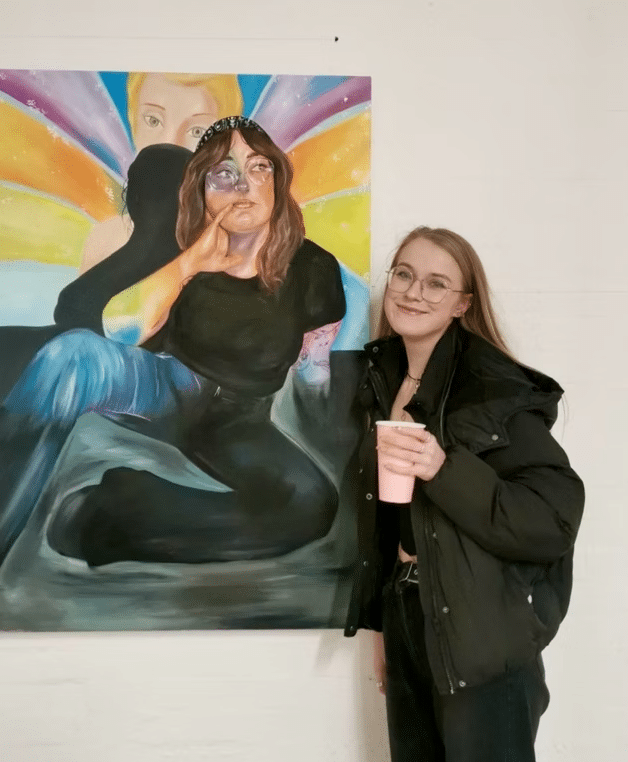
Beth Hinde – Gallery & Studio Coordinator
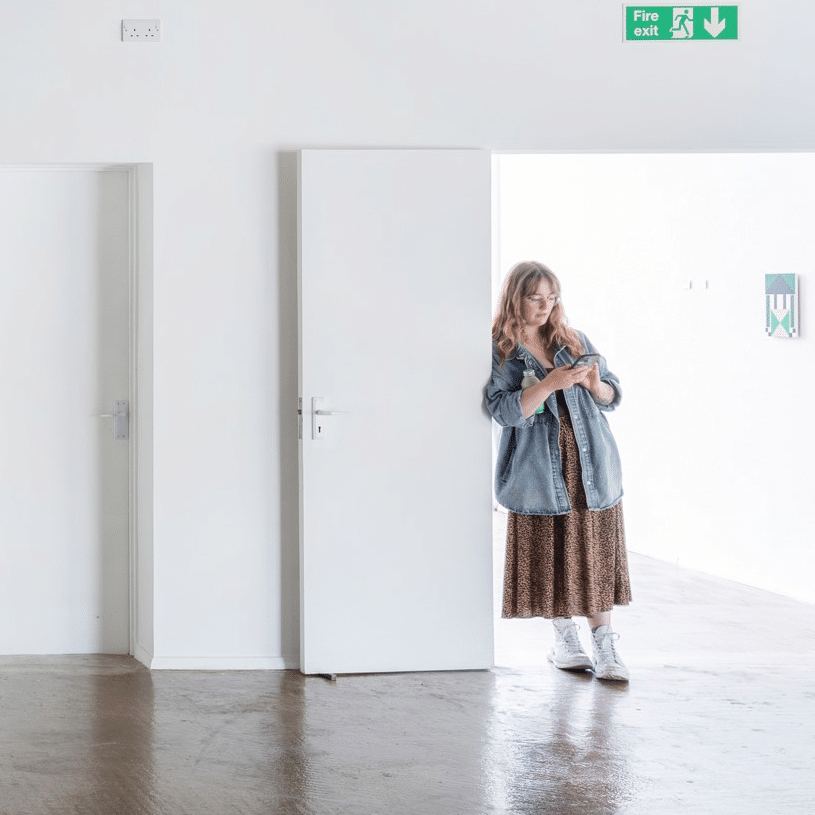
Liv Askwith – Freelance Artist
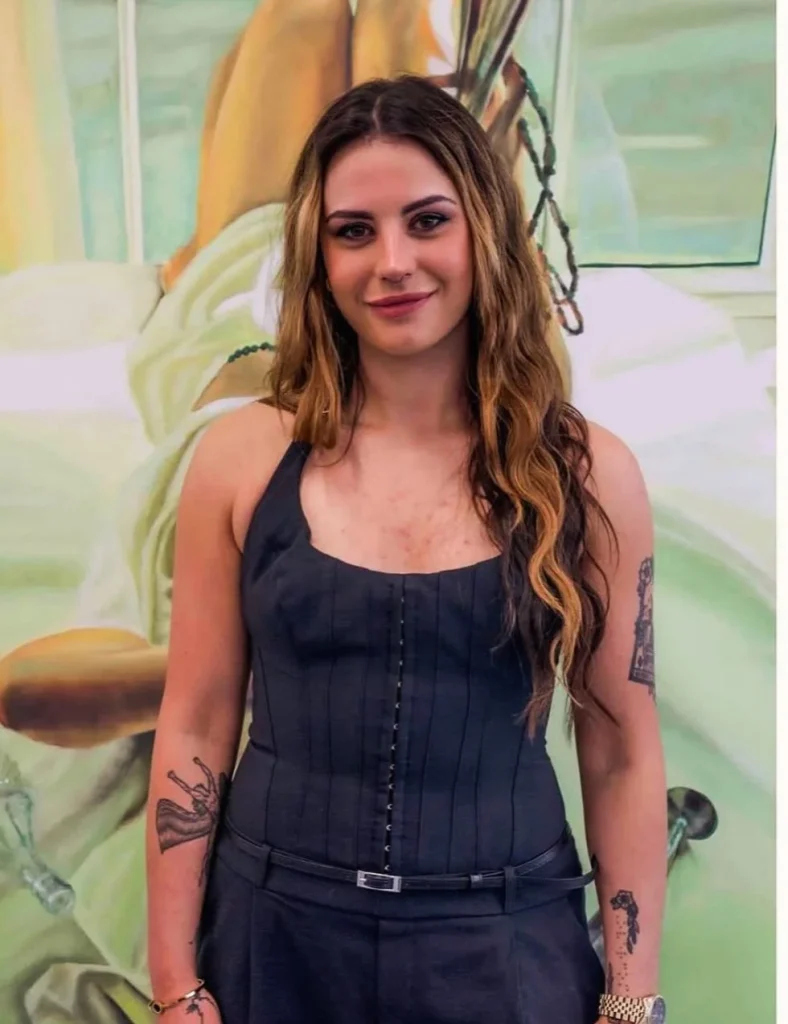
Niki Widynska – Freelance Artist
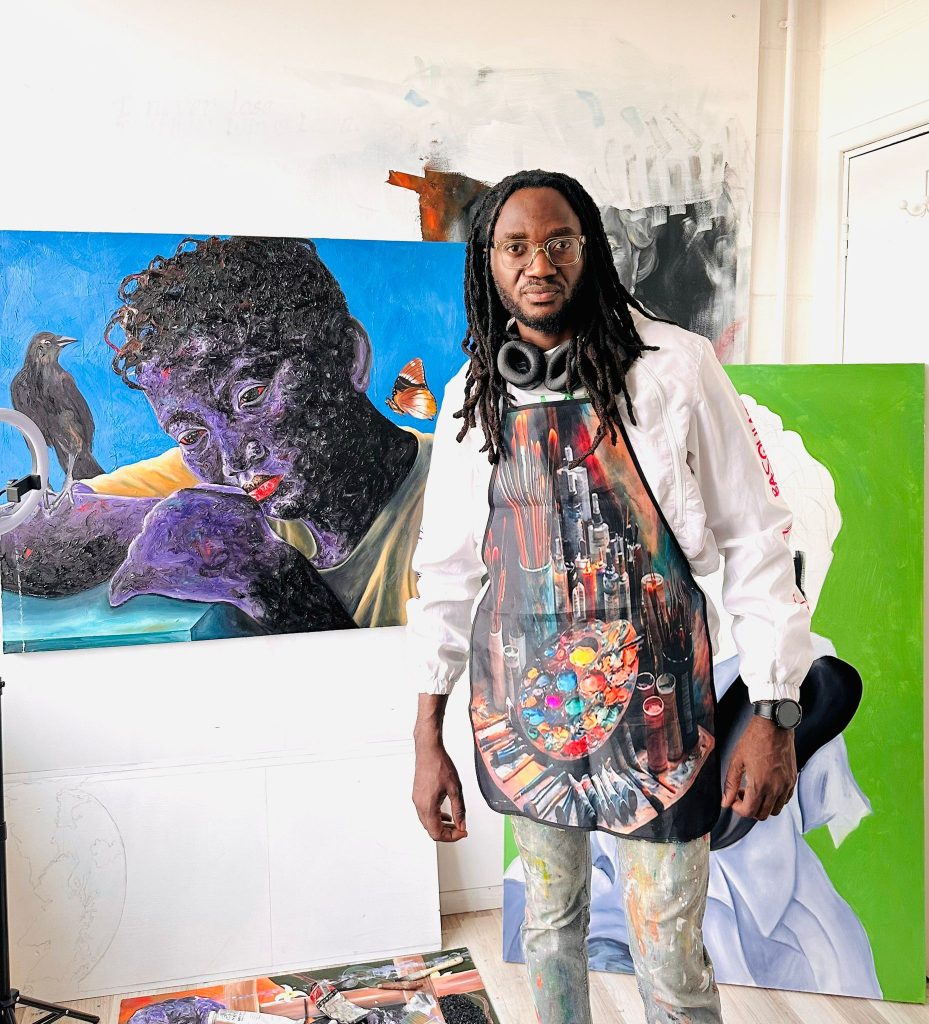
Charly Mupenga – Independent Artist and Studio Founder
COURSE NEWS
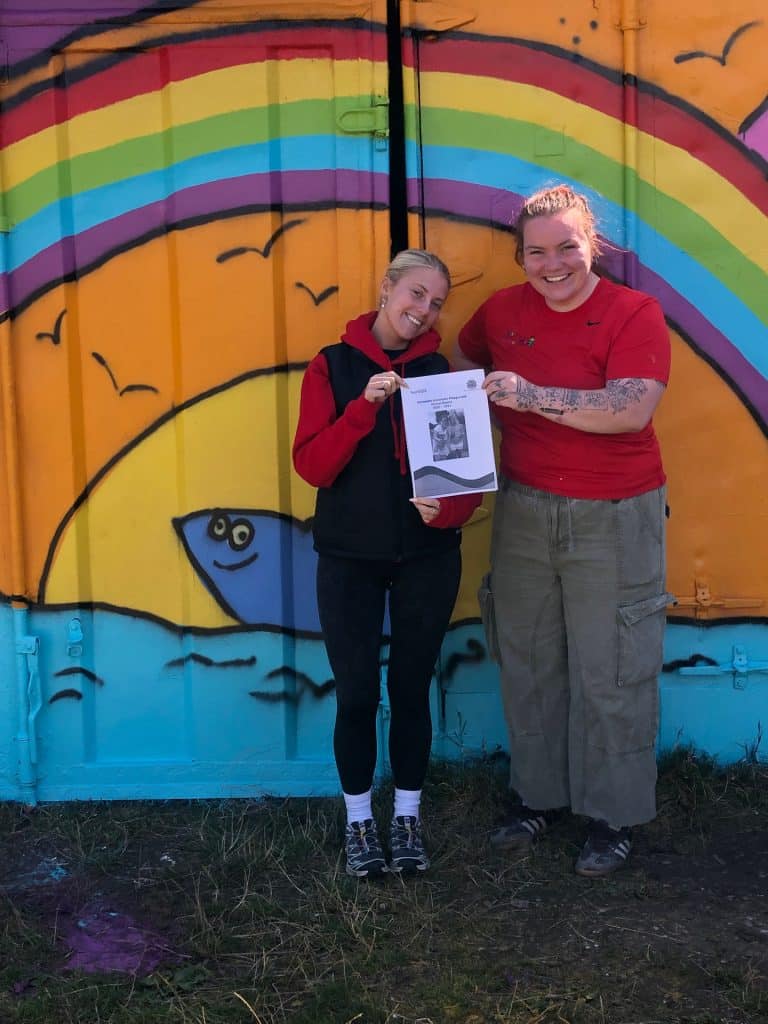
September 24, 2026
BA (Hons) Fine Art graduate Leoni Dingwall takes her next steps as an emerging artist with The New Graduate Award!
Spotlight on BA (Hons) Fine Art graduate Leoni Dingwall was named one of two winners of The New Graduate Award […]
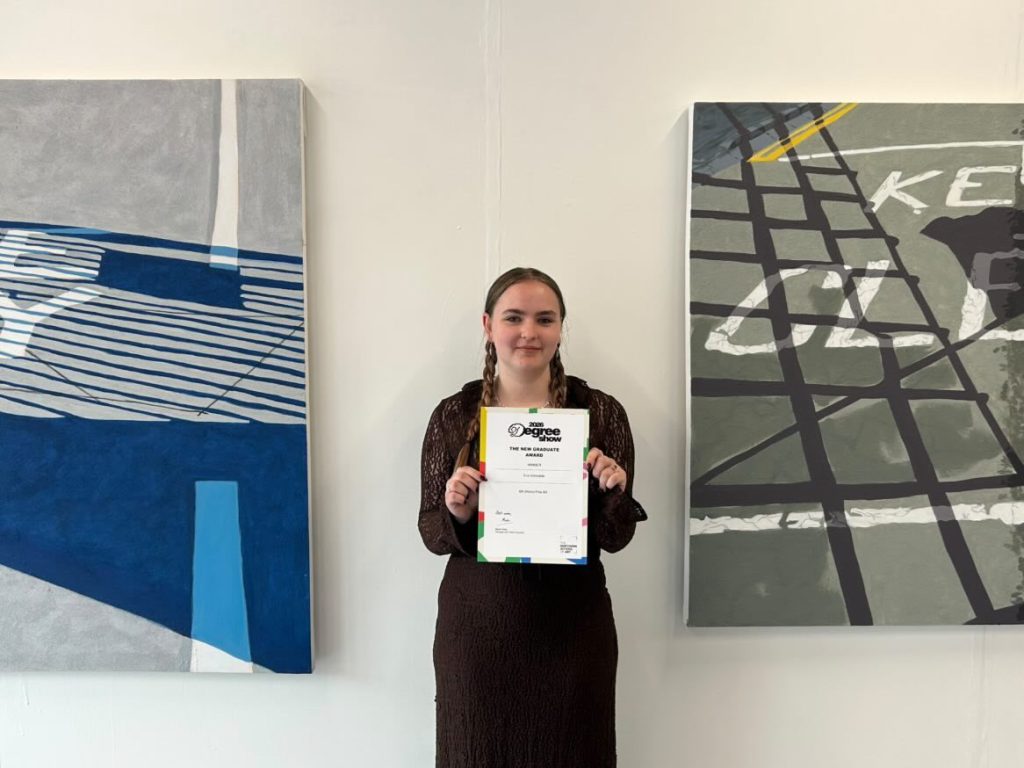
August 27, 2026
New Graduate joint Award Winner Eva Grinvalde!
BA (Hons) Fine Art student Eva Grinvalde shares this year's prestigious New Graduate Award with fellow student Leoni Dingwall! The […]
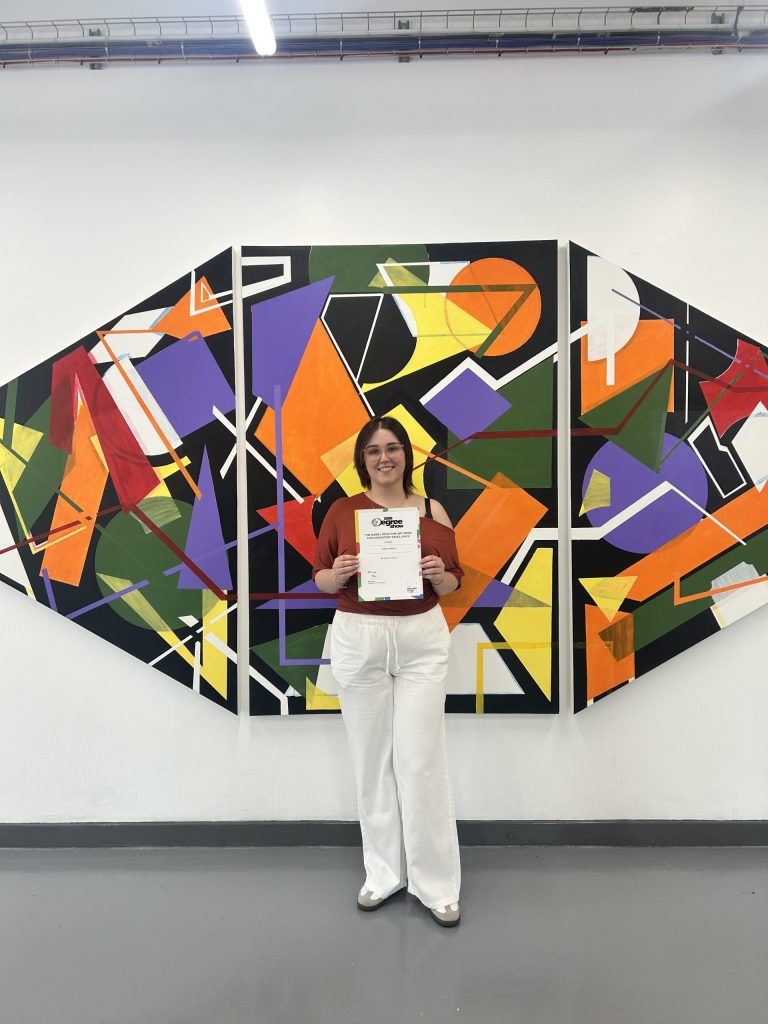
August 17, 2026
The Daniel Ross Fine Art Prize for Consistent Excellence – BA (Hons) Fine Art: Isabelle Dobson
BA (Hons) Fine Art student Isabelle Dobson is the recipient of The Daniel Ross Fine Art Prize 2026, which recognises […]
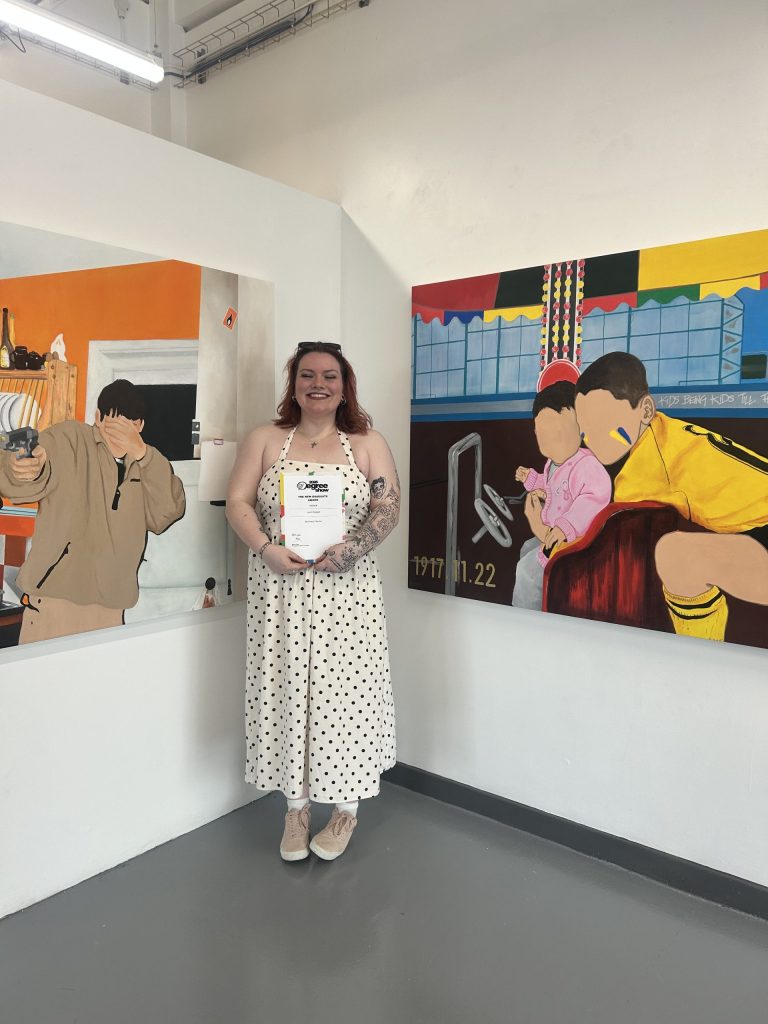
July 27, 2026
New Graduate joint Award Winner Leoni Dingwall!
BA (Hons) Fine Art student Leoni Dingwall shares this year's prestigious New Graduate Award with fellow student Eva Grinvalde. The […]
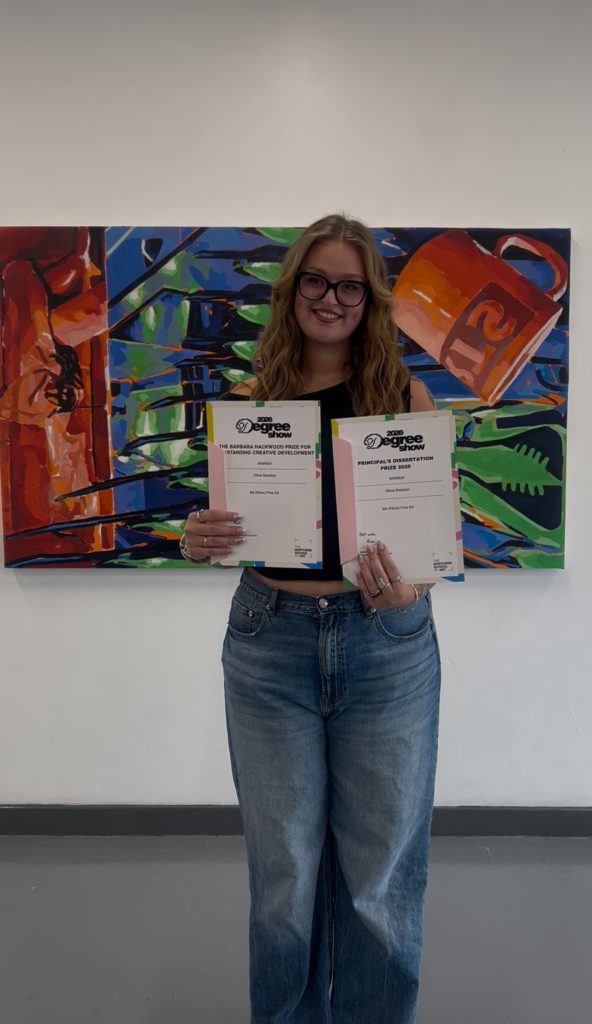
July 20, 2026
The Barbara Hackwood Prize for Outstanding Creative Development & Principal’s BA (Hons) Dissertation & Report Prize 2026 Award Winner BA (Hons) Fine Art: Olivia Breckon!
BA (Hons) Fine Art student Olivia Breckon has received the double honour of winning both The Barbara Hackwood Prize for […]
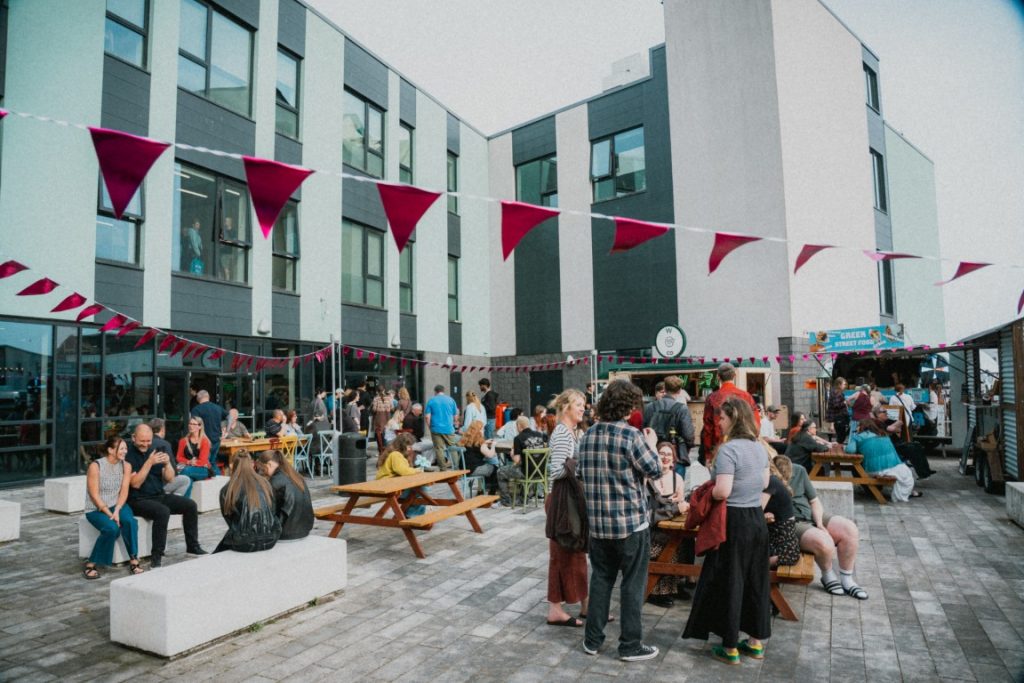
July 17, 2026
Starting in September? Here’s what our students want you to know!
Starting university is an exciting new chapter, but it's also completely normal to feel a little nervous. The good news […]
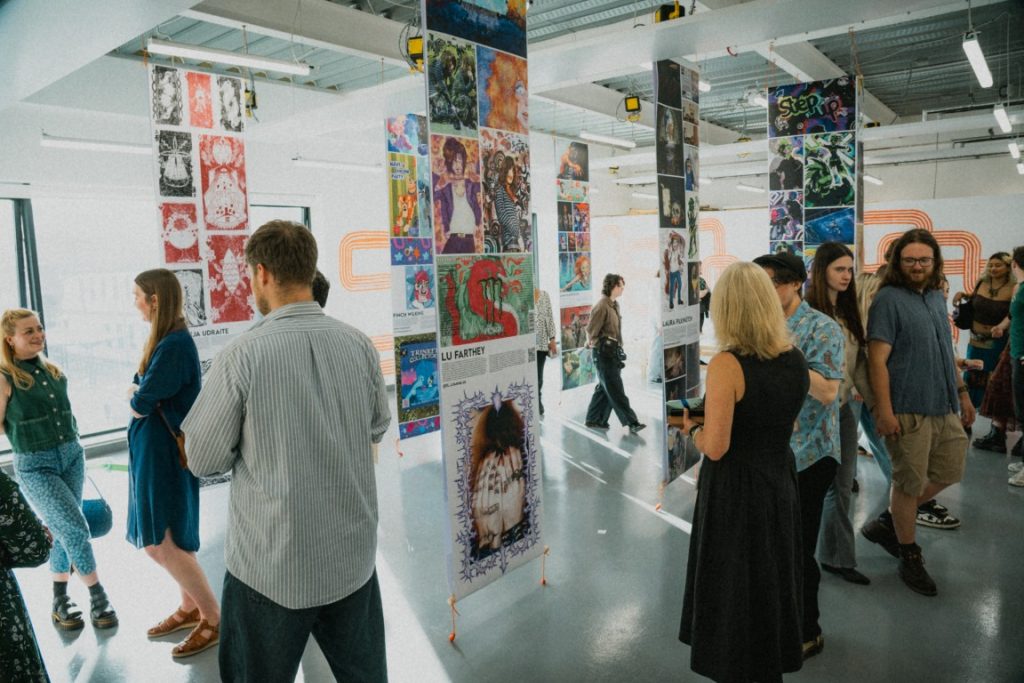
May 29, 2026
Packed opening night as the Degree Show 2026 launches
Crowds gathered at No.1 Church Street in Hartlepool for the launch of this year's Degree Show. Students, families, friends, staff […]
April 23, 2026
Talented creatives from School’s Hartlepool campus bring fresh perspective to the North York Moors with new digital art and wellbeing trail
A new digital art and wellbeing trail in the North York Moors is placing young creative talent at the heart […]
September 11, 2025
BA (Hons) Fine Art Grad Carl Truscott receives The New Graduate Award 2025!
BA (Hons) Fine Art graduate Carl Truscott shares this years New Graduate Award with fellow student Clare Massey. The New […]