
COURSE OVERVIEW
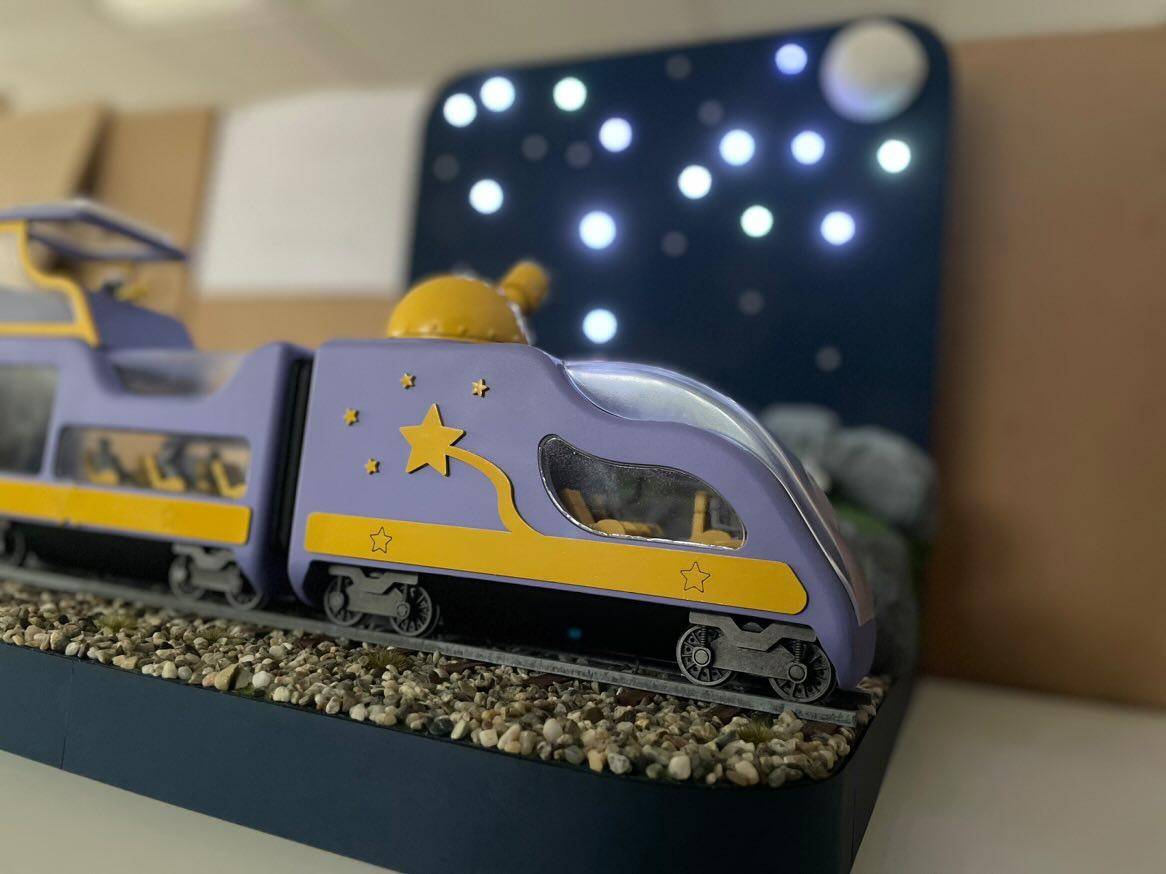
Bring your imagination to life with a programme designed for the dreamers, creators, and innovators of the entertainment world. Whether it’s crafting intricate miniatures, stunning props, or lifelike creatures for stop motion animation, this industry-focused programme offers the tools and mentorship to turn your passion into a thriving career.
You’ll master traditional scale modelmaking alongside cutting-edge digital techniques like 3D printing, under the guidance of experienced professionals. With contributions from leading industry partners such as the Aardman Academy, this programme is tailored to meet the demands of film, SFX, and beyond, while also adapting to your individual career aspirations.
Collaborate with peers across disciplines like Set Design, Film, and Costume, and develop a stand-out portfolio and showreel. From architectural models to puppets, this programme covers every facet of modelmaking and empowers you to carve your unique path in the fast-growing entertainment industries.
This creative-industry-focused programme typically provides 16 hours of contact time per week across the academic year. Students can typically expect to receive 10 hours of taught sessions and 6 hours of supervised open studio time, supported by specialist technicians, and have open access to studios and workshops (subject to School opening times and availability). In the final year, students typically engage in a higher proportion of supervised, independent study, reflecting the increased focus on self‑directed practice and specialist project work at this level.
In addition, students are expected to undertake independent study appropriate to a full-time undergraduate degree programme.


The practical skills you will learn on this course are relevant to a wide range of careers, including film and television prop making, puppet and character development for stop frame animation, animatronics and automata for exhibition, concept models for the games industry, model making and design for theatre, architectural model making, prototyping for industrial designers, interactive exhibition models and photographic props for advertising.
You will learn not only traditional technical skills, such as sculpting, mould making and model making but also digital skills, including digital scanning and 3D printing with industry-standard software and equipment.
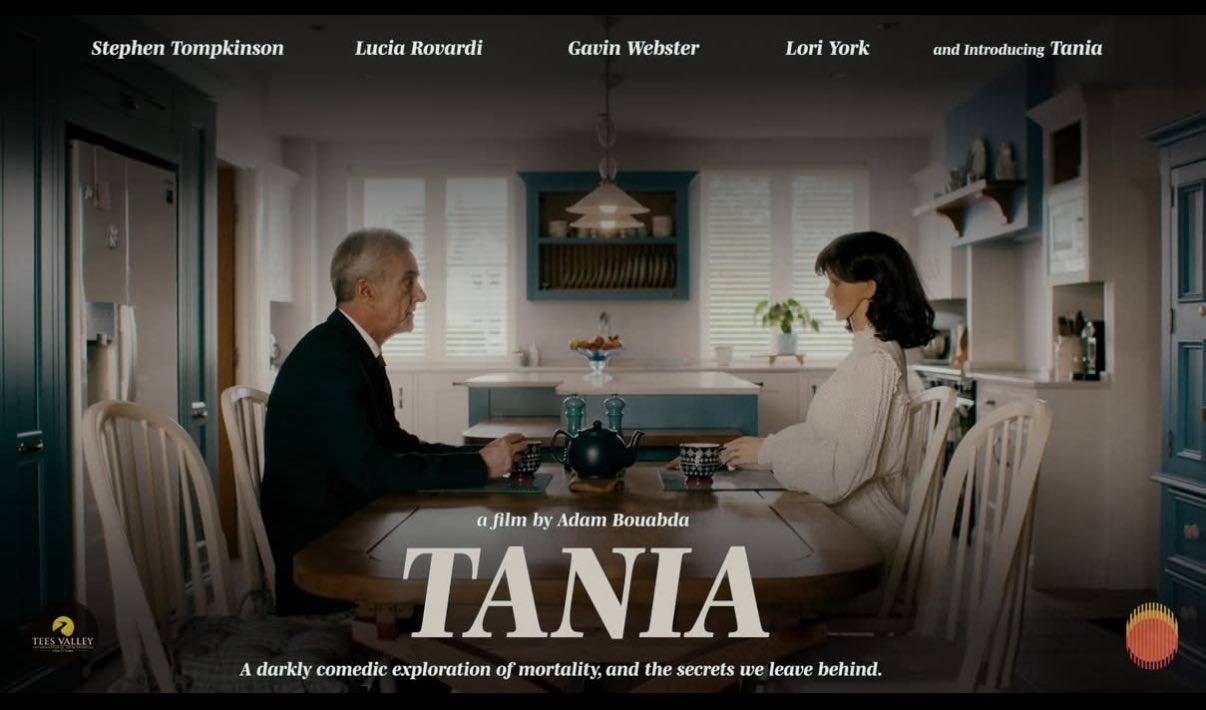
Working alongside complementary programmes in the stage and screen faculty you will work on a number of collaborative projects. Enhancing productions through your creativity e.g making a miniature-model establishing shot, digital set extension or augmenting a practical prop with some visual flourishes. By the end of the three-year course, you will have produced a showreel and portfolio of models composited into VFX sequences and settings.
You will learn not only traditional technical skills, such as sculpting, mould making and model making but also digital skills, including digital scanning and 3D printing with industry-standard software and equipment.
Working alongside complementary programmes in the stage and screen faculty you will work on a number of collaborative projects. Enhancing productions through your creativity e.g making a miniature-model establishing shot, digital set extension or augmenting a practical prop with some visual flourishes. By the end of the three-year course, you will have produced a showreel and portfolio of models composited into VFX sequences and settings.


Staff


BA (Hons) Model Making & Props - Course Trailer